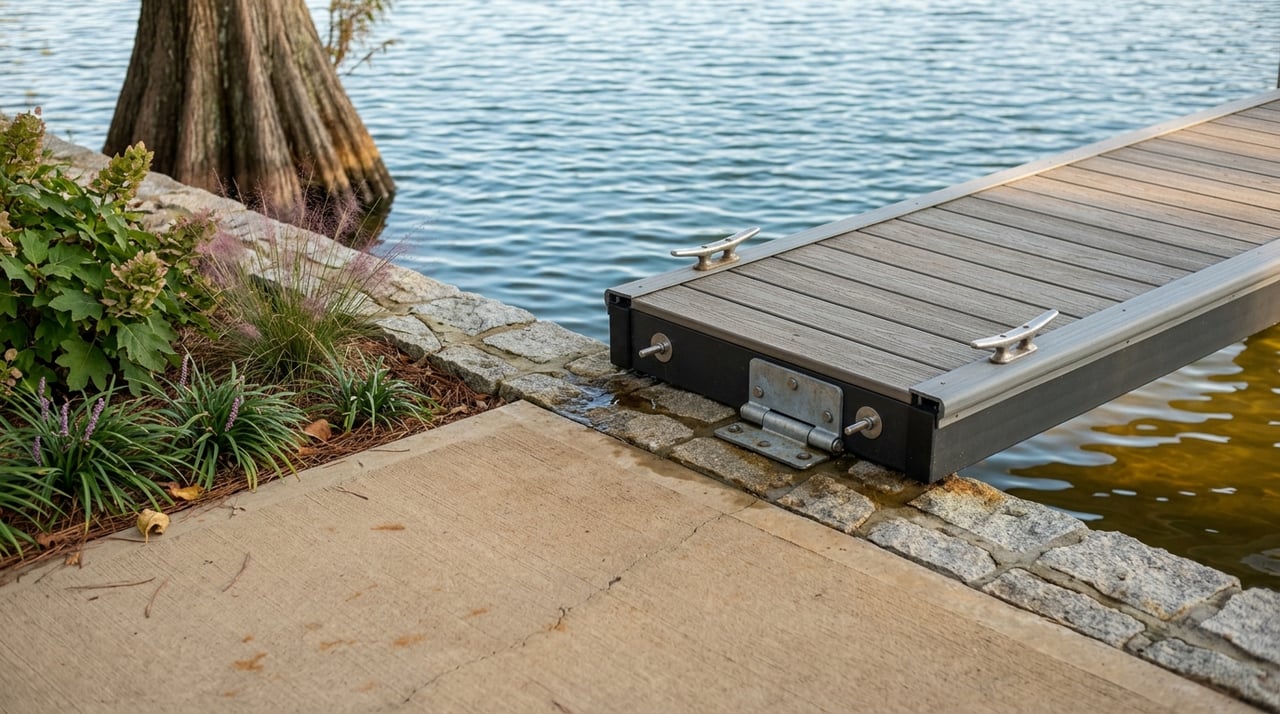
Denver NC Waterfront Home Buying Checklist for Lake Norman
June 25, 2026
June 25, 2026
Buying a waterfront home in Denver on Lake Norman can feel exciting right up until the questions start piling up. Does the property actually include private water access? Is the dock permitted? What does the HOA control, and what could affect resale later? If you want to buy with confidence, this checklist will help you focus on the local details that matter most in Denver and Lincoln County. Let’s dive in.
Not every home marketed near the water gives you the same rights. In the Denver area, a property might include private waterfront, a deeded easement, a community dock or slip, or only access to nearby public launch areas.
That difference matters more than many buyers realize. Before you get attached to a home, ask for the exact legal description of any water access, easement, or slip assignment and confirm whether it transfers with the property.
You want the answer in writing, not in a casual description. If access depends on an HOA or shared neighborhood arrangement, review the documents that explain who controls the dock, how slips are assigned, and what use restrictions apply.
North Carolina disclosure rules require information about owners' associations, including dues, services, transfer fees, special assessments, and pending lawsuits. That makes the access model and related obligations something you should verify early in the process.
If the home uses a shared dock or neighborhood lake access, ask practical questions right away:
Those answers can affect how you use the property now and how attractive it may be to a future buyer.
On Lake Norman in Lincoln County, dock and shoreline issues are highly local. Lincoln County’s Lake Norman Area Standards apply to development below full pond and to land within 1,000 feet of the shoreline, so you should treat any waterfront structure as something that needs documentation.
That includes piers, seawalls, moorings, floats, breakwaters, swimming areas, and similar improvements. If a seller says something is approved, ask to see the paperwork.
For a waterfront purchase in Denver, ask for copies of:
Lincoln County’s pier permit materials also state that a dock sign displaying the property address is required at completion. Small details like that can help confirm whether a structure followed the local process.
Not every dock is treated the same way. Lincoln County treats some single-slip piers or docks as use-by-right, while other configurations or accessory structures may require a special use permit.
That means you should confirm not just that a dock exists, but that the exact dock configuration was allowed. A covered structure, multiple slips, or added features may change the approval path.
If the property includes dredging, shoreline repair, seawall work, or riprap, ask what has already been approved and what may still need approval. Lincoln County requires shoreline review, and Duke Energy says property owners should contact Lake Services before starting shoreline work at a Duke lake.
This is one area where a clean paper trail matters. Unclear approvals can create delays, extra cost, or added questions when you eventually sell.
One of the easiest mistakes in waterfront shopping is assuming the lake always looks and functions the same way it did on showing day. Duke Energy manages the Catawba-Wateree project as an interconnected system, and operations can change in response to demand, flooding, emergencies, or other conditions.
For you as a buyer, that means water depth, lift clearance, and shoreline exposure can vary. If boating access is a major reason for your purchase, ask questions that go beyond the listing photos.
A practical waterfront checklist should include:
North Carolina law also sets a no-wake rule within 50 yards of docks, piers, marinas, launching areas, and related structures on Lake Norman. Even so, it is smart to observe the setting and ask how the property feels during busier boating times.
In many Denver waterfront communities, the HOA packet is not just routine paperwork. It can directly affect your dock use, shoreline maintenance responsibilities, parking rules, guest access, fees, and even whether the property fits your long-term plans.
North Carolina requires the owner to furnish owners’ association and mandatory covenants disclosure statements, and the disclosure must include important information like dues, services, transfer fees, special assessments, and pending lawsuits. These disclosures are meant to be delivered no later than the offer stage.
Ask for the full set of governing and financial documents, including:
Under North Carolina law, the declaration, bylaws, and articles of incorporation form the legal basis for association authority. Recorded amendments matter too, so be sure you are reviewing the current version.
For a Lake Norman home, pay close attention to rules related to:
These rules can shape your day-to-day use of the property and may also affect future marketability. Restrictions that seem minor at first can become major issues if they limit how buyers expect to enjoy a waterfront home.
Shared waterfront features can create confusion if the documents are vague. Verify what the HOA maintains and what you, as the owner, would be expected to maintain.
This is especially important for shared docks, retaining walls, riprap, beaches, and common amenity areas. Knowing where responsibility begins and ends can help you avoid unexpected costs.
The best waterfront buyers think beyond closing day. In the Denver area, some of the biggest resale risks involve incomplete access rights, unpermitted shoreline work, unclear flood status, and HOA restrictions that reduce the buyer pool.
If something would matter to a reasonable future buyer, it should matter to you now. Building that lens into your due diligence can protect both your lifestyle and your investment.
Lincoln County monitors special flood hazard areas, and FEMA’s Flood Map Service Center is the official public source for flood hazard information and Flood Insurance Rate Maps. You do not want to wait until late in the transaction to learn that flood considerations may affect insurance, cost, or comfort level.
Ask your agent to help you identify flood-related questions early so you can plan with better information.
Ask direct questions about:
These are not small details. They are the kinds of property issues that deserve follow-up because they can affect use, repair costs, financing, and resale.
A waterfront closing should include careful review of the recorded plat, survey, and title work. Make sure those records align with the shoreline line, easements, common-area rights, and any access features you expect to receive.
Lincoln County’s standards tie waterfront lot lines to surveyed plats when the contour elevation is clearly shown. That makes accurate records especially important when a property’s value depends on lake access or shoreline improvements.
For many Lake Norman waterfront homes, confidence comes from documentation. Keep proof that lake-related improvements were approved by the county, Duke Energy, and the HOA when required.
That paper trail can support smoother underwriting, fewer buyer questions, and stronger resale positioning later. In a waterfront transaction, missing documents can create unnecessary doubt.
A Denver waterfront purchase is not just about the house itself. It is about how the home, the shoreline, the access rights, and the governing documents all fit together.
When you focus on legal access, permit history, HOA authority, flood status, and resale documentation, you put yourself in a much stronger position to buy with clarity. That is exactly where local guidance can make a real difference.
If you are considering a Lake Norman waterfront home in Denver, the team at Foster Rojahn Premier Properties can help you navigate the details with the hands-on, local insight that these purchases demand.





What Sellers Need to Know Before They Celebrate
At Foster Rojahn Premier Properties, we are the leading experts in Lake Norman real estate. We offer deep insights into the local market and are dedicated to helping you achieve your real estate goals.