Explore Denver NC Lake Norman Living on the West Side
June 18, 2026
June 18, 2026
If you are drawn to Lake Norman but want a setting that feels a little more relaxed, Denver’s west-side location deserves a closer look. You may be looking for easier lake access, a neighborhood-focused lifestyle, or a place that works for both daily life and weekend fun. This guide will help you understand what makes Denver, NC distinct, how people live here, and what you can expect from the housing mix. Let’s dive in.
Denver sits along the west shores of Lake Norman in Lincoln County. Current profile data shows a population of about 2,497 residents across 5.9 square miles, with a mean commute time of 29.4 minutes. That points to a residential community that supports commuting while still keeping the lake close to everyday life.
The west side of Lake Norman is often described locally as quieter and more relaxed than the east side. Denver stretches along Highway 16, which gives the area a more spread-out feel instead of one concentrated town center. In practical terms, you are more likely to experience Denver as a collection of neighborhoods and lake communities rather than a dense waterfront district.
Lincoln County planning materials reinforce that picture. East Lincoln and Denver continue to see suburban residential growth, including single-family detached subdivisions and age-restricted single-family communities. That growth pattern helps explain why Denver appeals to buyers who want space, neighborhood variety, and access to the lake without an urban pace.
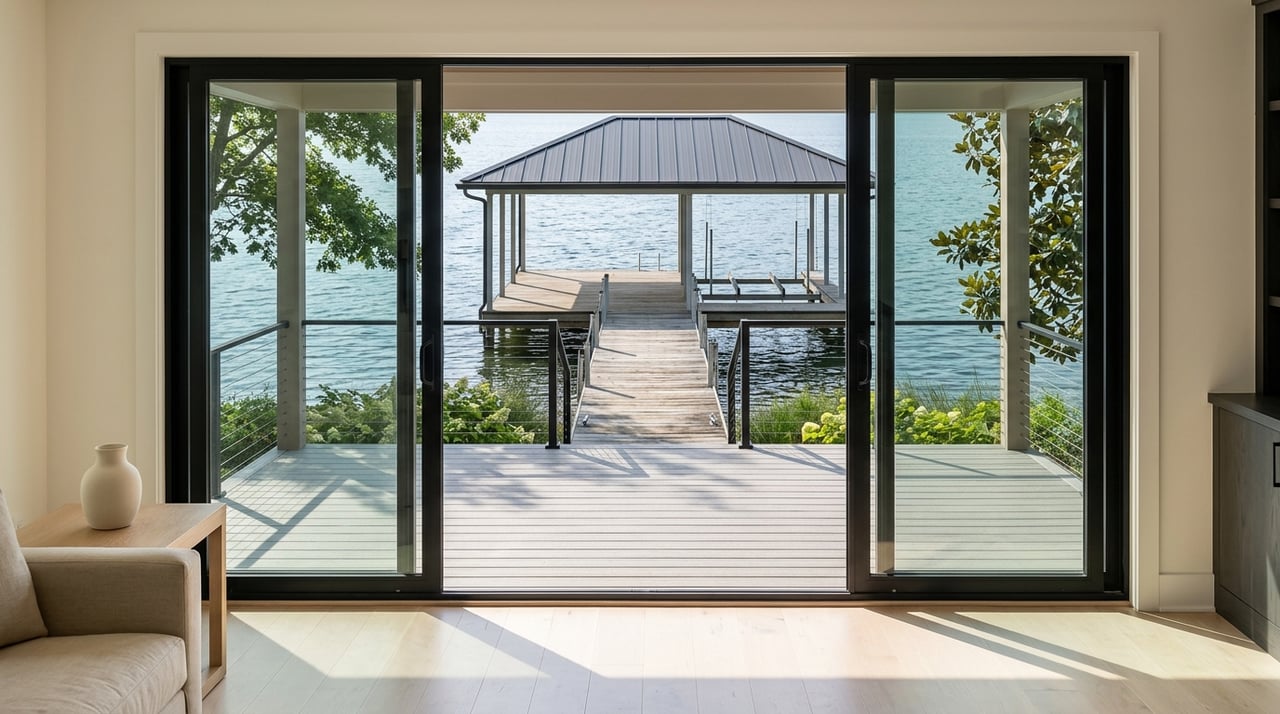
Living on the west side of Lake Norman is often more about how you use the lake than how close you are to a busy commercial hub. In Denver, the lifestyle tends to center on neighborhood routines, outdoor recreation, and easy weekend access to the water. That can be a strong fit if you want a lake-oriented lifestyle that still feels grounded in everyday residential living.
You may notice that Denver does not revolve around one walkable downtown. Instead, it offers a patchwork of communities with different personalities, from lake-adjacent neighborhoods to golf-oriented areas and newer detached-home developments. This gives buyers more ways to match housing choices with their budget, goals, and preferred pace of life.
One of the clearest advantages of Denver is how strongly the area connects to Lake Norman through access points and boating infrastructure. For many residents, lake living here is not just about waterfront ownership. It is about having practical ways to get on the water and enjoy it regularly.
Beatty's Ford Park is a major example. Lincoln County lists the park at 8335 Shipley Lane, off Unity Church Road and Business Highway 16, and notes amenities that include a boat ramp, fishing pier, swim beach area, concession stand, playground, splash pad, picnic shelter, and walking trail. The county also described it in 2024 as a new public swimming access point on Lake Norman.
That matters because public access broadens what lake living can look like. You do not need to own a dock to enjoy boating, fishing, swimming, or spending time near the water. For many buyers, that adds flexibility when choosing between waterfront homes and off-water neighborhoods.
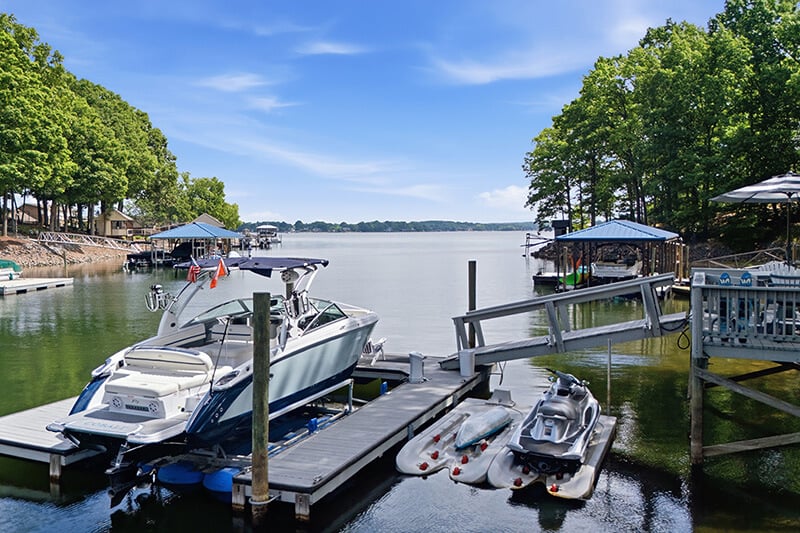
Boating support is another important part of the west-side lifestyle. Safe Harbor Westport in Denver offers dry storage, wet slips, winter storage, vessel service, a fuel dock, and a ship's store. Other marina options in the broader area also serve Denver and nearby communities.
This kind of setup makes the lake feel usable, not just scenic. If you keep a boat in storage, rent a slip, or need regular service, the west side offers practical infrastructure that supports that routine. For buyers comparing Lake Norman areas, this can be just as important as a water view.
Denver’s appeal goes beyond boating. Lincoln County lists several recreation assets in the area, including Rescue Squad Park, Rock Springs Nature Preserve, and East Lincoln Park. These spaces offer amenities such as disc golf, a dog park, walking and hiking trails, playgrounds, athletic fields, and amphitheater space.
East Lincoln Community Center adds even more flexibility with a gymnasium, meeting room, event room, and recurring activities. For many households, that mix supports day-to-day convenience and gives you more options close to home. It also adds to Denver’s identity as a year-round residential community rather than a seasonal destination.
Golf is another visible part of the Denver lifestyle. Westport Golf Club is located at 7494 Golf Course Road South, and Verdict Ridge Golf & Country Club is located at 7332 Kidville Road. These communities help shape the local housing landscape and offer another layer of lifestyle appeal beyond direct lake access.
Golf-oriented neighborhoods can also add a distinct sense of place. In Denver, they fit naturally with the area’s more spacious and residential setting. If you are looking for a home environment tied to open views, established streetscapes, or club-centered amenities, these areas may stand out during your search.
Neighborhood identity in Denver can feel established and locally engaged. The Westport Community Association notes more than 50 years of Lake Norman neighborhood life and highlights events such as community meetings, a Fourth of July parade, bunco, and litter cleanups. That kind of ongoing participation suggests that some Denver neighborhoods offer more than just attractive homes.
For buyers, this can translate into a stronger sense of continuity and local connection. For sellers, it helps explain why neighborhood reputation and community features can play a meaningful role in buyer interest. In a market like Denver, lifestyle is often shaped block by block and community by community.
Denver’s dining scene tends to feel more local and spread out than urban. Instead of one concentrated restaurant district, you will find a mix of nearby spots that support everyday meals and lake-day outings. That pattern fits the broader west-side lifestyle, where destinations are often tied to the water, the road network, or surrounding communities.
Examples from the area include The Landing Restaurant & Tiki Bar in nearby Sherrills Ford, which offers waterfront dining, and Little Mountain Burger Co. on NC-16 Business, which serves Denver and surrounding communities. Nearby Sherrills Ford also adds destination dining options such as Lineberger's Cattle Company.
For many buyers, this means your lifestyle may center more on favorite local spots than on a traditional downtown dining scene. If you enjoy casual variety and do not need everything in one district, Denver’s pattern may feel comfortable and easy to live with.
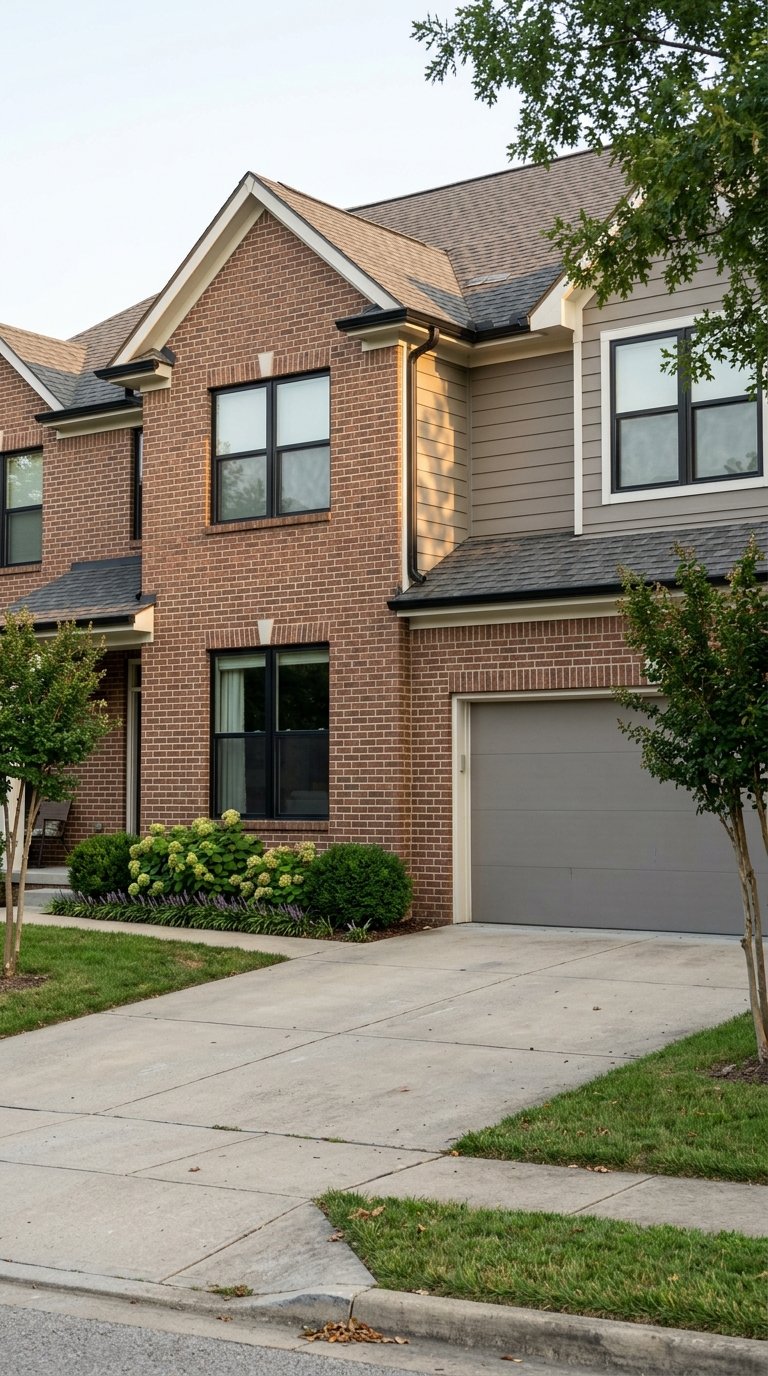
One of the biggest misconceptions about Denver is that lake living means mostly waterfront homes. In reality, the housing picture is much broader. County planning records point to a steady mix of single-family detached communities, age-restricted neighborhoods, and larger residential subdivisions, alongside existing lake-adjacent and golf-oriented communities.
That matters if you are trying to balance lifestyle with price point. You may find options that keep you close to Lake Norman amenities without requiring a waterfront purchase. You may also find homes in established neighborhoods, newer subdivisions, or communities tied to golf and recreation.
A current profile lists 1,170 housing units in Denver and a median owner-occupied value of $296,300. While individual home values can vary significantly based on location, condition, and proximity to lake or golf amenities, the broader market reads as primarily residential with meaningful variety.
If you are exploring Denver, it helps to focus on how you want to live, not just on map boundaries. Ask yourself whether your priority is public lake access, marina convenience, neighborhood character, golf proximity, or a detached home with more space. Denver often works best when you match the area’s lifestyle patterns to your daily routine.
Because the market is made up of many neighborhood types, local guidance matters. Two homes with the same bedroom count can offer very different experiences depending on access, road patterns, nearby amenities, and community setting. Understanding those differences can help you make a more confident choice.
If you are selling in Denver, your home’s story should connect to how buyers actually use the area. Features such as proximity to marinas, lake access, golf, parks, or established neighborhood amenities may shape interest just as much as square footage. Buyers are often shopping for a lifestyle package, not only a floor plan.
Presentation also matters in a market with varied property types. Clear pricing, strong photography, and a focused marketing strategy can help position your home within the right slice of the Denver market. That is especially important when buyers are comparing off-water, golf-community, and lake-adjacent options at the same time.
Denver stands out because it offers a quieter, neighborhood-driven way to enjoy Lake Norman. It combines public lake access, boating infrastructure, parks, golf, and residential growth in a setting that feels more spread out than crowded. For many people, that balance is exactly the point.
If you want Lake Norman living that supports both weekday routines and weekend recreation, Denver is worth serious consideration. Its appeal is not limited to waterfront homes or one central district. Instead, it comes from the way everyday life, neighborhood choice, and water access all work together.
Whether you are buying your first home in the area, relocating within the Lake Norman market, or preparing to sell, Denver rewards a local, neighborhood-level approach. If you want guidance tailored to Denver and the west side of Lake Norman, connect with Foster Rojahn Premier Properties for personalized help with your next move.


What Sellers Need to Know Before They Celebrate
At Foster Rojahn Premier Properties, we are the leading experts in Lake Norman real estate. We offer deep insights into the local market and are dedicated to helping you achieve your real estate goals.