Should You Buy Denver NC New Construction or Resale?
March 26, 2026
March 26, 2026
Choosing between a brand-new home and a resale in Denver can feel like comparing apples and oranges. You want the Lake Norman lifestyle, easy Charlotte access, and a smart investment, but the right path depends on your timeline, budget, and priorities. In this guide, you’ll learn how new construction and resale stack up locally, what to expect from build timelines and warranties, and which lake and HOA rules can impact your choice. Let’s dive in.
Denver sits on the west side of Lake Norman with quick access to Charlotte, which is a big driver of demand. Recent market snapshots put the Denver median sale price around $509K and the broader 28037 area around $537K. Figures shift month to month, so verify the latest numbers before you write an offer.
If you value immediate move-in and a mature setting, resale can be appealing. If you want modern layouts, energy efficiency, and fewer near-term repairs, new construction can be compelling. Your best choice starts with your timeline and the lifestyle you want near the lake.
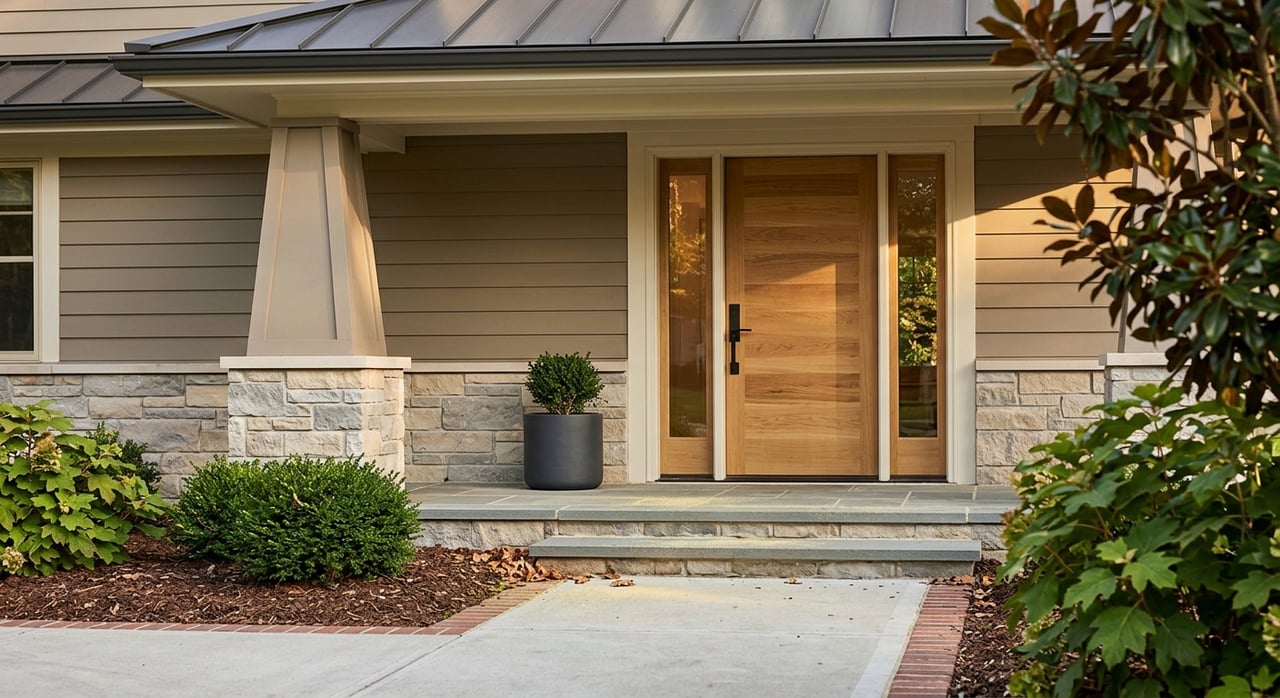
New construction gives you modern plans, newer systems, and fewer surprise repairs in the early years. Many Denver-area communities, including master-planned options like Trilogy Lake Norman, offer amenities and a steady stream of new homes. You can sometimes pick finishes and upgrades if you buy before completion, which helps tailor the home to your needs.
Builders often provide layered warranties that can reduce risk in the first years of ownership. A common model is the “1-2-10” structure that covers workmanship for one year, certain systems for two, and major structural items for ten. Review the written coverage and claims process carefully, and ask whether the builder uses a third-party structural warranty. You can learn how these warranties typically work in the 2-10 builder FAQs.
On average, single-family homes built for sale take about 7 to 8 months from permit to completion, based on recent industry and Census data. Local schedules vary with permitting, weather, and contractor availability. For a national snapshot of average timelines, see this overview from Eye On Housing. If you need to move within 30 to 60 days, look for completed “inventory” homes rather than to-be-built plans.
Even brand-new homes benefit from independent inspections. Many buyers schedule a pre-drywall inspection, a final inspection before closing, and an 11-month inspection to catch items within warranty windows. The final walk-through and punch list are key steps. Document items in writing and agree on completion timelines. For timing and punch-list best practices, this guide to new-construction final inspections is a helpful refresher.
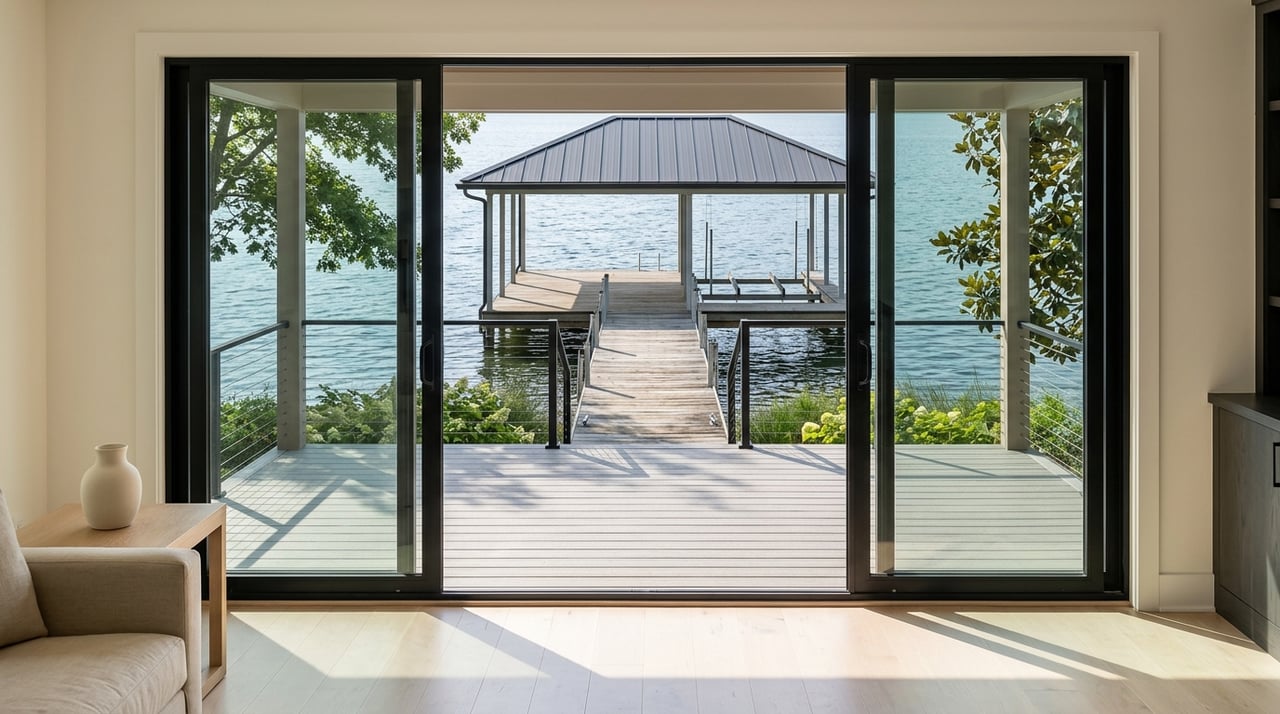
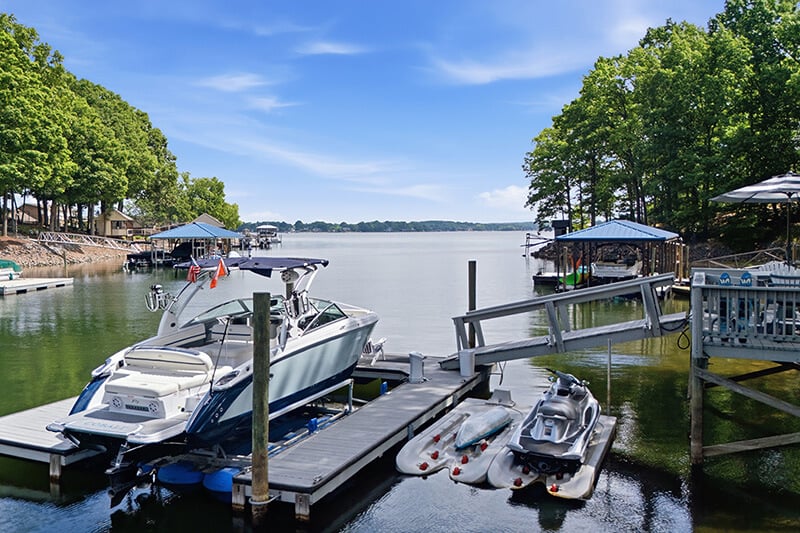
If you are eyeing a lake-close or waterfront lot, confirm what is possible before you commit. Shoreline work, docks, and piers on Lake Norman are managed by Duke Energy Lake Services. Always verify that an existing dock has a Duke permit plate and that permits are active and transferable. You can review the permitting process on Duke Energy’s shoreline services page.
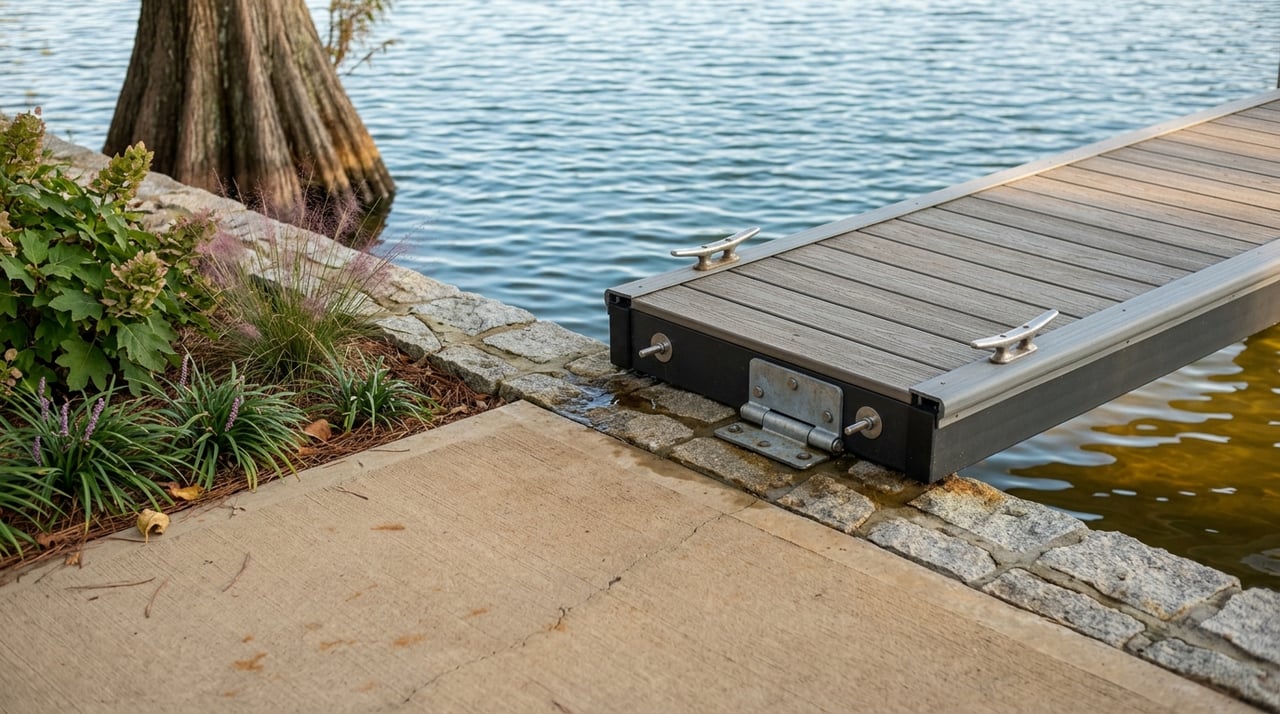
Also map any floodplain or streamside buffer areas on your lot, which can limit buildable area, dock potential, and shoreline stabilization options. Lincoln County enforces erosion control and buffer rules, so review county materials and parcel-level maps. A county overview of water resources and buffer considerations is available through NCDEQ’s Lincoln County summary.
Finally, study HOA rules early. In North Carolina, planned communities operate under the state’s Planned Community Act. Order the community documents and resale or estoppel packet right after you go under contract so you can see dues, reserve levels, special assessments, and use restrictions. You can read the statute at the North Carolina Planned Community Act, Chapter 47F.
If timing is tight or you prefer an established setting, resale can be the smarter path. You can move faster, shop recent neighborhood comps more easily, and often get larger lots and mature landscaping, especially near the lake. Many buyers also like the character and lot placement found in older pockets of Denver.
Trade-offs include potential near-term maintenance, older systems, and sometimes higher utility costs. Newer homes are built to current energy codes, which can improve efficiency out of the box. For context on recent code updates in North Carolina, see the state’s energy code resources.
On the due diligence side, plan for a full home inspection, review seller disclosures, and check any past permits with the county. If the home is in an HOA, request the governing documents, current budget, reserve study, meeting minutes, and an estoppel or resale certificate as early as possible under your contract timelines.
If you are buying a home that is not yet complete, lenders and appraisers often rely on “as-completed” appraisals, plans, and specifications. Coordinate the lender, builder, and appraiser early, and keep documentation organized so the appraisal reflects upgrades and final finishes. For background on how proposed-construction appraisals are handled, this appraisal forum discussion outlines common steps and terminology.
In Lincoln County, be aware of supplemental tax bills for new construction or ownership changes. Effective tax rates vary by district, so confirm your property’s details and timelines directly with the county. You can review county guidance on supplemental property tax and forms.
School placement can influence your search, especially for buyers who prefer to stay near specific attendance zones. East Lincoln High School serves many Denver addresses, but assignments depend on your exact location and change over time. For current information, refer to East Lincoln High’s page.
If you want help weighing real homes and communities around Lake Norman, we’re here to guide you through timelines, lake and HOA rules, and total cost of ownership. Connect with Foster Rojahn Premier Properties to walk through your best options and Request a Free Home Valuation & Consultation.


What Sellers Need to Know Before They Celebrate
At Foster Rojahn Premier Properties, we are the leading experts in Lake Norman real estate. We offer deep insights into the local market and are dedicated to helping you achieve your real estate goals.