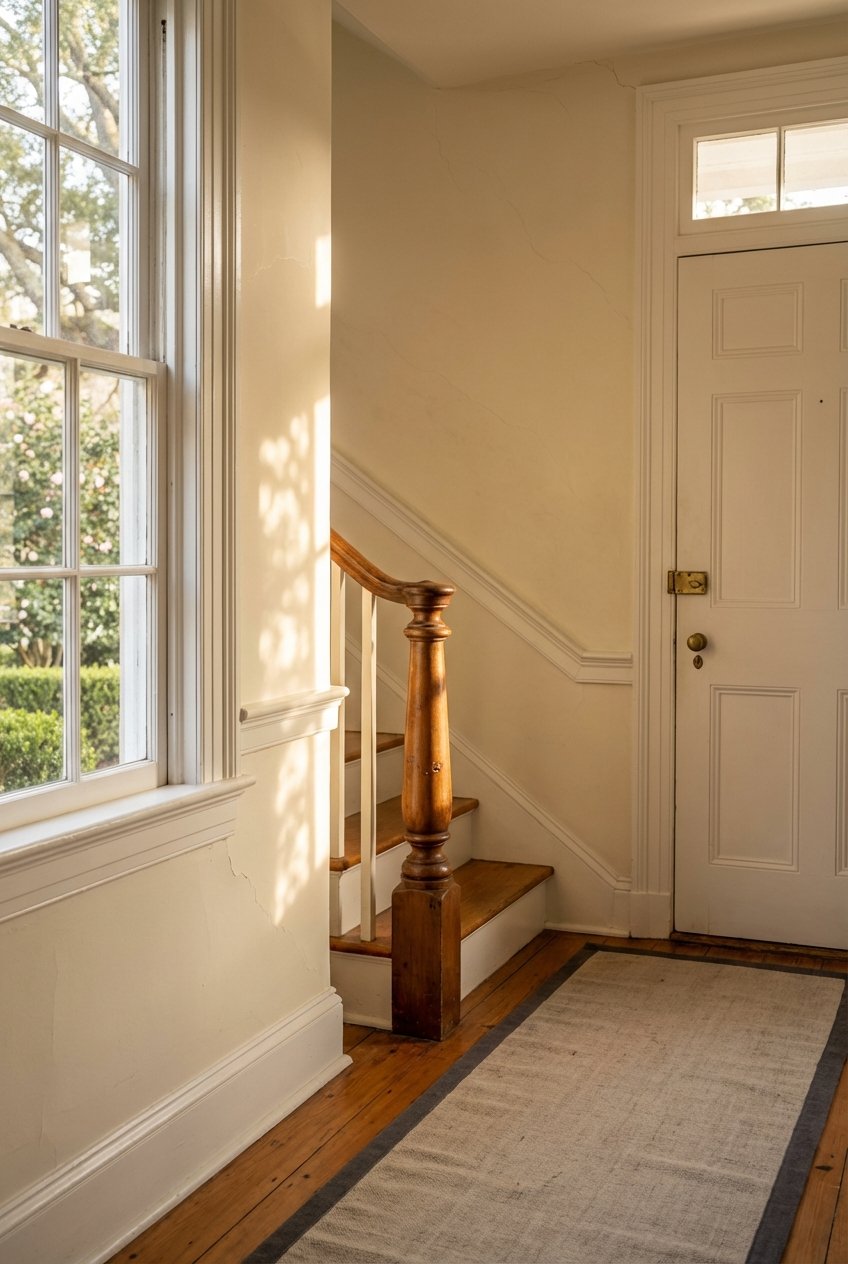
Selling a Historic Home in Davidson, NC: Smart Next Steps
February 26, 2026
February 26, 2026
Thinking about selling your historic home in Davidson? You are not just selling a house. You are stewarding a piece of the town’s character. With the right plan, you can protect what makes your property special and still reach the best price and terms. In this guide, you will learn how local rules work, what to disclose, which repairs to tackle first, and how to market your home’s story with confidence. Let’s dive in.
Davidson has both a National Register historic district and a smaller local historic-district overlay. The local overlay brings design review for many exterior changes, which is why understanding the process matters before you list. The Town also adopted a formal Historic Preservation Plan in 2023 that sets a clear vision for managing change.
If your home sits inside the local overlay, the Town’s Historic Preservation Commission (HPC) reviews most exterior work. The Davidson Historic District Design Guidelines emphasize “repair over replacement,” and they outline when you need a Certificate of Appropriateness (COA) and how to apply. You can review the detailed process in the Town’s Davidson Historic District Design Guidelines.
A National Register listing is primarily an honor. It does not, by itself, restrict what a private owner can do. The local historic overlay is what triggers design review and possible work limitations or timing. You can confirm your property’s status and learn about local protections on the Town’s Historic Preservation page.
The Town provides contacts, policy documents, and links to maps that help you verify whether your parcel is in the local overlay. For the bigger picture on policy and goals, see the adopted Davidson Historic Preservation Plan.
A COA is the Town’s approval for exterior changes within the local district. You will submit drawings and photos, and staff encourage early consultation before you apply. This can help you avoid costly rework and keep your listing timeline on track.
The guidelines detail how the HPC evaluates materials and design. When in doubt, review the Design Guidelines and contact Town staff early.
Routine maintenance that does not change materials or appearance typically does not require a COA. Examples include spot wood repair in kind or repainting with the same colors. If you plan any visible change, confirm with staff before starting.
The HPC can delay demolition for up to 365 days while alternatives are explored. If your sale depends on demolition or a major exterior change, build that timing into your strategy and engage the Town at the start.
Selling in Davidson means following North Carolina’s disclosure rules. Getting this right prevents buyer cancellations and protects your closing timeline.
Under the Residential Property Disclosure Act, most sellers must provide the state’s “Residential Property and Owners’ Association Disclosure Statement” (RPOADS). You must deliver it before or at the time the buyer makes an offer. If the buyer receives it late, they have a limited statutory right to cancel within the deadline set by law. Review the statute for timing and content on the NC Residential Property Disclosure Act.
If your home was built before 1978, federal law requires you to disclose known lead-based paint information, give buyers the EPA/HUD pamphlet “Protect Your Family From Lead In Your Home,” and allow a 10-day period for lead inspections or risk assessments unless the buyer waives it in writing. Learn more from the EPA’s overview of the lead-based paint disclosure rule. Keep copies of any prior lead reports to share with buyers.
Older Davidson homes can shine when they are well maintained, but inspections often flag predictable age-related items. Preparing for these findings reduces stress and renegotiation.
For techniques that prioritize repair over replacement and preserve character, the National Park Service offers technical guidance by topic in its Preservation Briefs library.
Certain hazards, like active knob-and-tube wiring or severe structural issues, can make standard insurance or financing harder to obtain. A pre-listing inspection and contractor estimates help buyers understand scope and cost, which supports smoother underwriting. Encourage buyers to confirm their lender and insurer requirements early.
Historic designation can shape buyer economics. Be precise in how you present these benefits so you do not overpromise.
The federal Historic Rehabilitation Tax Credit provides a 20% income tax credit for certified rehabilitations of historic buildings placed in an income-producing use, such as rental residential or commercial. Owner-occupied primary residences are not eligible. If investors are part of your target market, direct them to the National Park Service overview of the Federal Historic Tax Credit for program standards and certification steps.
North Carolina offers state-level programs that may supplement federal incentives for qualifying projects, and a separate homeowner program administered by the State Historic Preservation Office. Because rules can change, advise interested buyers to confirm current eligibility and limits with the NC HPO’s Restoration Services staff.
Local historic-district protections often help stabilize values by preserving neighborhood character, though some buyers may view exterior review as a limitation. Price to the buyer pool that appreciates historic character and factor in condition, documentation, and any applicable local incentives. You can reference the Town’s Historic Preservation page when explaining market context.
Historic homes can be hard to comp. Make sure your pricing and appraisal strategy reflect the home’s architectural significance and local protections.
Appraisers who understand historic properties will often use a mix of sales comparison and cost approaches. Provide a concise property file that highlights architectural features, period elements, and any COA or landmark status. Include notes on eligible incentives if the home could be converted to income-producing use.
Collecting these materials reduces questions and builds buyer confidence. The Town’s guidelines also encourage thorough documentation, so keep digital copies handy.
Follow the Town’s design guidance and the Secretary of the Interior’s Standards. Where possible, repair original windows, doors, trim, and porches rather than replacing them. For comfort and efficiency, consider reversible measures like attic insulation or interior storm panels. Document the work with invoices, photos, and permits so buyers see the quality and care.
Lean into the home’s story and authentic details. Highlight the architectural style, period millwork, original windows or dormers, and any documented history. Pair professional photography with a short “heritage” one-pager that lists upgrades, maintenance, and permitting history. If the property may qualify for credits with an income use, frame it carefully and point readers to NC HPO and NPS resources for definitive rules.
Selling a historic Davidson home takes planning, precision, and a marketing approach that respects the character you love. If you want a clear roadmap, hands-on prep, and polished presentation, our boutique team is here to help you price confidently, navigate the COA process, and tell your home’s story the right way. Start with a no-pressure conversation and a tailored market analysis from Foster Rojahn Premier Properties.


What Sellers Need to Know Before They Celebrate
At Foster Rojahn Premier Properties, we are the leading experts in Lake Norman real estate. We offer deep insights into the local market and are dedicated to helping you achieve your real estate goals.