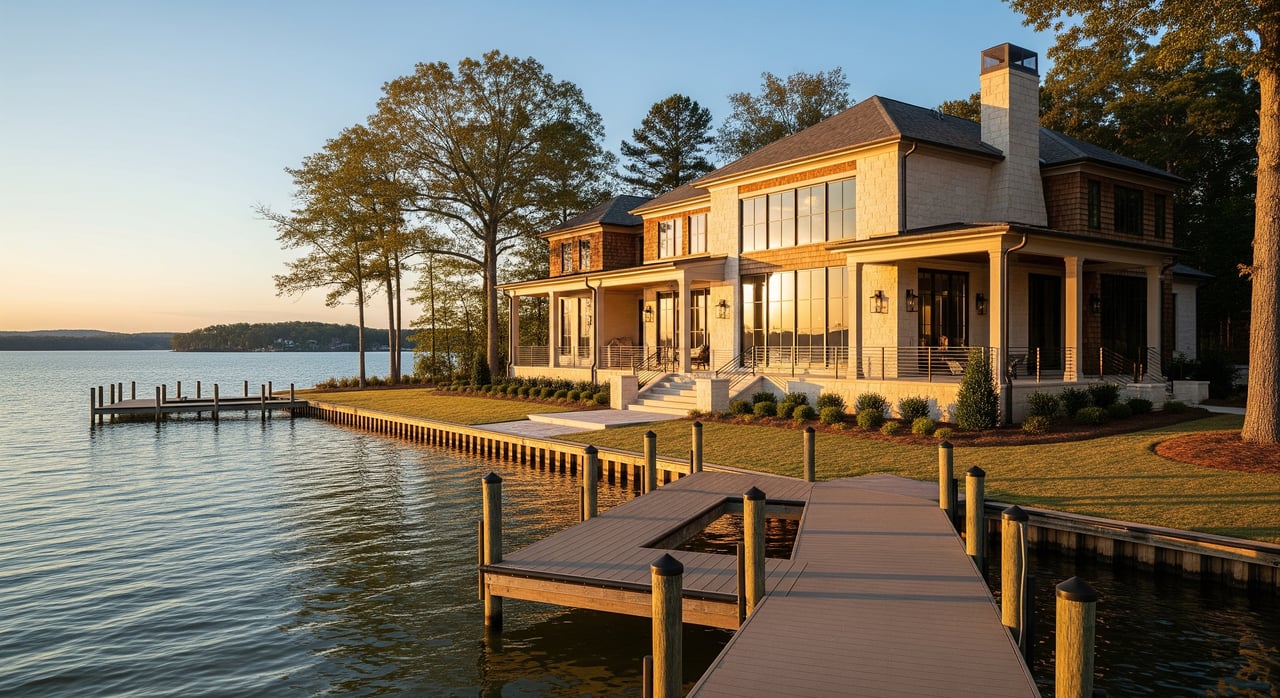
Pricing Waterfront Homes in Mooresville
December 25, 2025
December 25, 2025
What is your Lake Norman view really worth? If you are preparing to sell a waterfront home in Mooresville, you know buyers pay a premium for shoreline, boating, and that easy lakeside lifestyle. Pricing it right takes more than a basic comp search. You need to account for frontage, water depth, dock condition, flood risk, and permits, then match those details to real, local sales.
In this guide, you will learn how Lake Norman’s waterfront market works, which features move the needle, how appraisers and lenders look at value, and the practical steps that help you defend your price. Let’s dive in.
Mooresville sits on Lake Norman, the largest man‑made lake in North Carolina. That shared shoreline is the number one driver of value. Seasonality matters too. Listings and buyer activity often peak in spring and summer when the lake lifestyle is top of mind.
Commuting distance to Charlotte attracts both primary residents and second‑home buyers. Inventory of buildable waterfront lots is limited, so well‑located homes with strong lake attributes tend to command higher prices. Because this niche moves quickly, verify your comps and trends against the local MLS and county records at the time you price.
Not all waterfronts are created equal. These attributes tend to have the strongest impact on value in Mooresville.
Linear shoreline footage and the way the shoreline sits on the lot matter. Wider frontage with unobstructed, open‑lake views typically sells for more than short frontage or tight coves. Orientation also plays a role. Panoramic or southerly exposures feel brighter and can be more sought after.
Deeper water that supports your boat’s draft and offers clear access to navigable channels is a premium feature. Shallow or obstructed access can limit boat usage and may require lift solutions. Buyers notice the difference, and appraisers adjust for it.
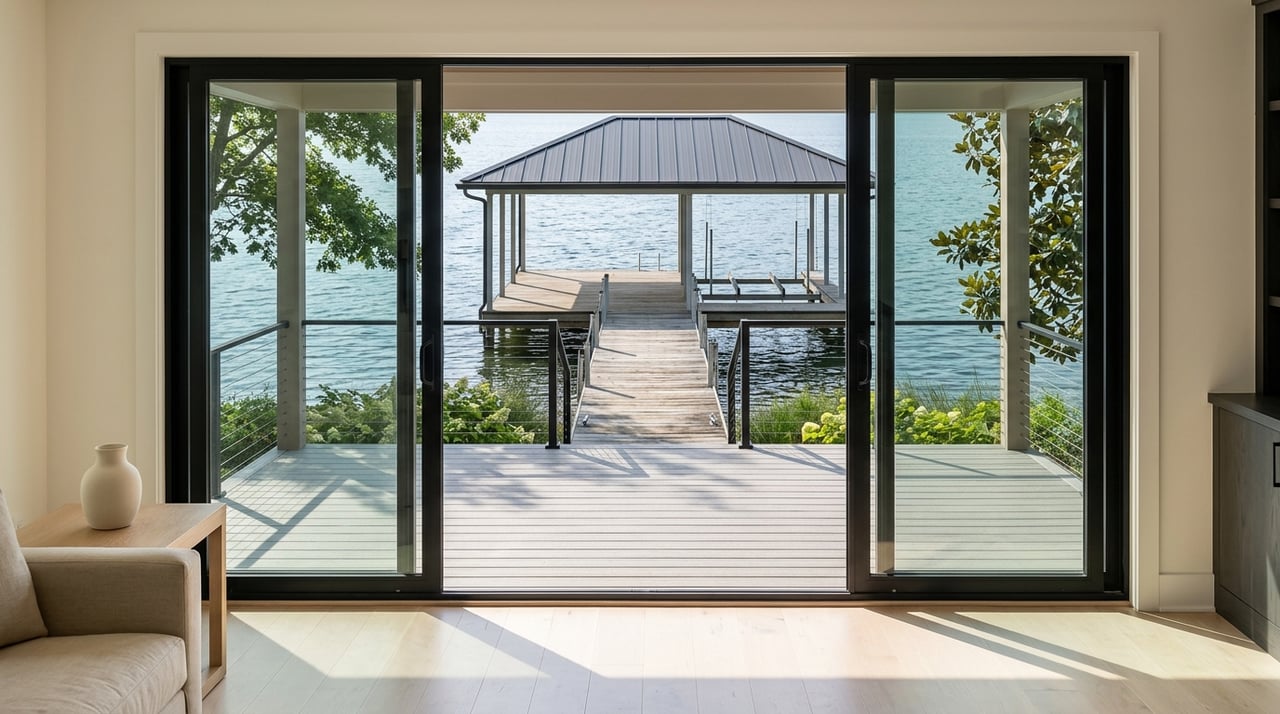
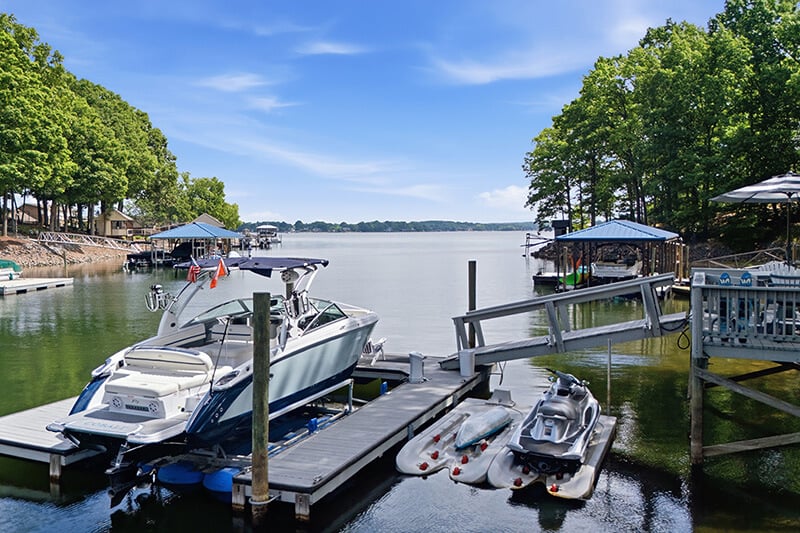
A permitted, well‑maintained dock, pier, slip, boat lift, or seawall can add measurable value. The reverse is true for damaged, aging, or unpermitted structures that imply repair costs or compliance issues. Shoreline stability and erosion history influence buyer confidence and price.
A generous, usable lot with a comfortable slope supports outdoor living and future improvements. Steep or constrained sites can reduce value even with good frontage, since building and renovation can be more complex and costly. Confirm easements and setbacks that may limit how you use the shoreline area.
Public sewer access is a plus. If the home relies on septic or a private well, the age, permits, and condition of those systems will affect pricing. Buyers often factor expected replacement timelines into their offers.
The age and condition of the home still matter. Lake exposure can accelerate wear, which appraisers note. Finished lower levels built with water‑resistant materials add value, while flood‑prone or unfinished spaces can trigger discounts. Elevation, breakaway walls, and other mitigation steps can support value and insurance affordability.
Riparian rights, HOA rules, rental restrictions, and any recorded easements shape what you can do with the shoreline and dock. Unpermitted docks or boathouses reduce marketability and price. Documenting permit history helps buyers and appraisers assign value with confidence.
Flood zone designation, insurance premiums, dock and seawall maintenance, and any required shoreline stabilization show up in buyer budgets. Higher ongoing costs can lower net purchasing power, which often shows up in the sale price.
Pricing starts with the right comps, then careful adjustments for lake‑specific features.
Pull recent closed sales of comparable Lake Norman waterfront homes from the local MLS. Focus on like‑for‑like attributes: frontage length, cove vs. open lake, view quality, dock presence and condition, lot size and slope, and finished square footage including lower levels. Do not compare to off‑water homes and assume a generic premium. Lakefront value is specific to the shoreline you own.
Quantify differences the way an appraiser will. If your property has deeper water, newer shoreline work, or a larger slip, those are positive adjustments. Shallow access, a failing seawall, or unpermitted structures require negative adjustments. Document the reasoning for every dollar change to keep your pricing defensible.
If the most relevant sale closed several months ago, consider how quickly the market shifted. Lake inventory and demand can be seasonal. Time adjustments help you avoid overpricing or leaving money on the table.
If comps are thin or the home is newer, a cost approach can help triangulate value by estimating replacement cost minus depreciation plus land value. For investment‑minded buyers considering short‑term rentals, an income lens can be helpful. Be sure to confirm HOA and local rules that affect rental potential before you consider income in your price.
Waterfront appraisals can vary when recent, closely matched comps are limited. Provide your appraiser with a packet that includes permits, surveys, shoreline repair invoices, elevation data, and recent inspection reports. This helps them justify adjustments for dock condition, erosion control, and flood risk.
If a property is in a Special Flood Hazard Area, most lenders will require flood insurance. You can check flood zones and Base Flood Elevations through the FEMA Flood Map Service Center and the National Flood Hazard Layer. Elevation certificates may be needed for underwriting and accurate insurance quotes.
Some lenders view waterfronts as higher risk and may require stronger reserves or larger down payments. Appraisal gaps are more common on lakefront homes when unique features are hard to quantify. Have a plan to bridge a gap, either through price, concessions, or buyer cash.
Targeted inspections reduce buyer uncertainty and support your price.
Use this list to gather the documentation that helps you justify your price and reduce surprises.
If you are buying, this short list will help you focus your inspections and questions.
Waterfront improvements often require permits. For shoreline, dock, and in‑water structures, review state and federal guidance through the NC Department of Environmental Quality and the US Army Corps of Engineers. Local zoning, setbacks, and building permits are handled by the Town of Mooresville and Iredell County planning and inspections offices. Keep records of all approvals and completed work to present to buyers and appraisers.
Flood insurance premiums vary by elevation, flood zone, and how the structure is built. Homeowner policies may price wind and hail coverage higher for lake‑exposed roofs. Budget for periodic dock maintenance, shoreline stabilization, and slope‑friendly landscaping. Buyers will consider these costs when comparing your home to other lakefront options.
Strong presentation matters on the lake. Professional photography, including well‑planned drone shots, helps buyers understand frontage, orientation, and neighboring development. Highlight verified features like linear frontage, slip size, lift capacity, and typical water depth. Share your documentation package up front so serious buyers can move quickly and appraisers can support your value.
Pricing a Mooresville waterfront home is part data and part local nuance. When you combine the right comps with verified shoreline details, proactive inspections, and clear documentation, you position your property to attract confident buyers and smoother appraisals.
If you are thinking about selling or want a second opinion on price, connect with the Lake Norman specialists at Foster Rojahn Premier Properties. Request a Free Home Valuation & Consultation and get a tailored pricing plan for your shoreline, dock, and view.
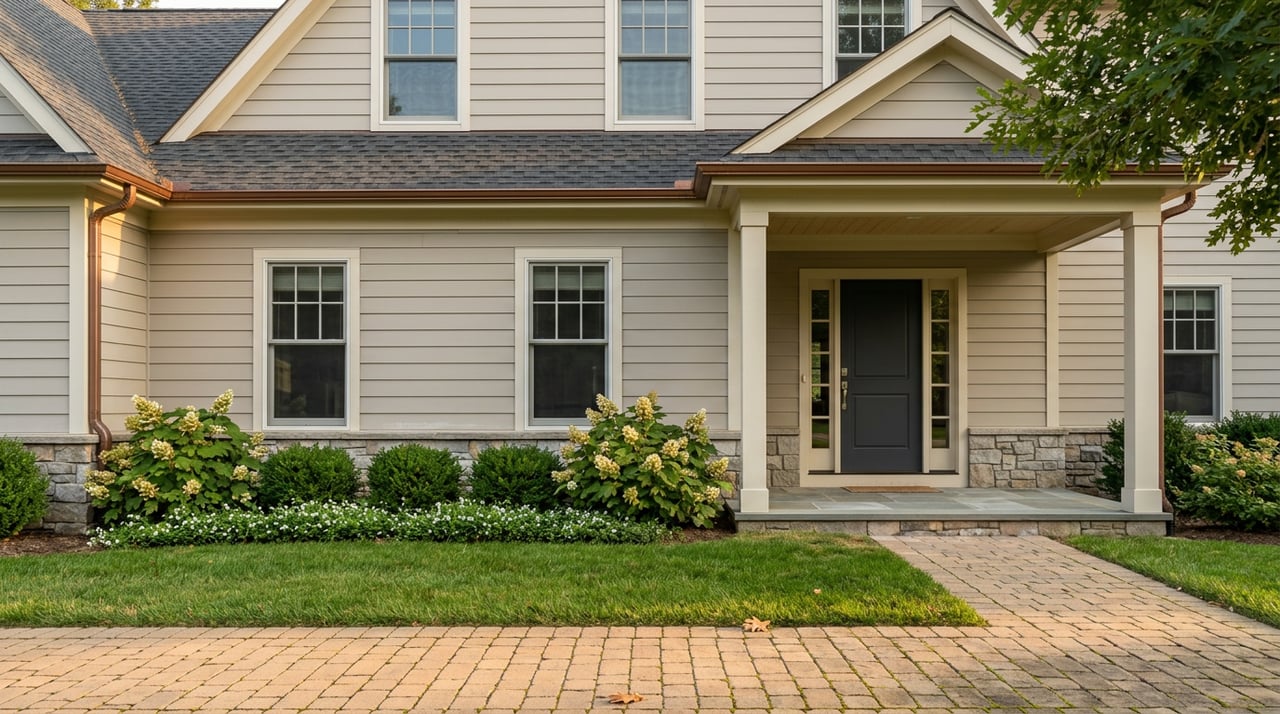

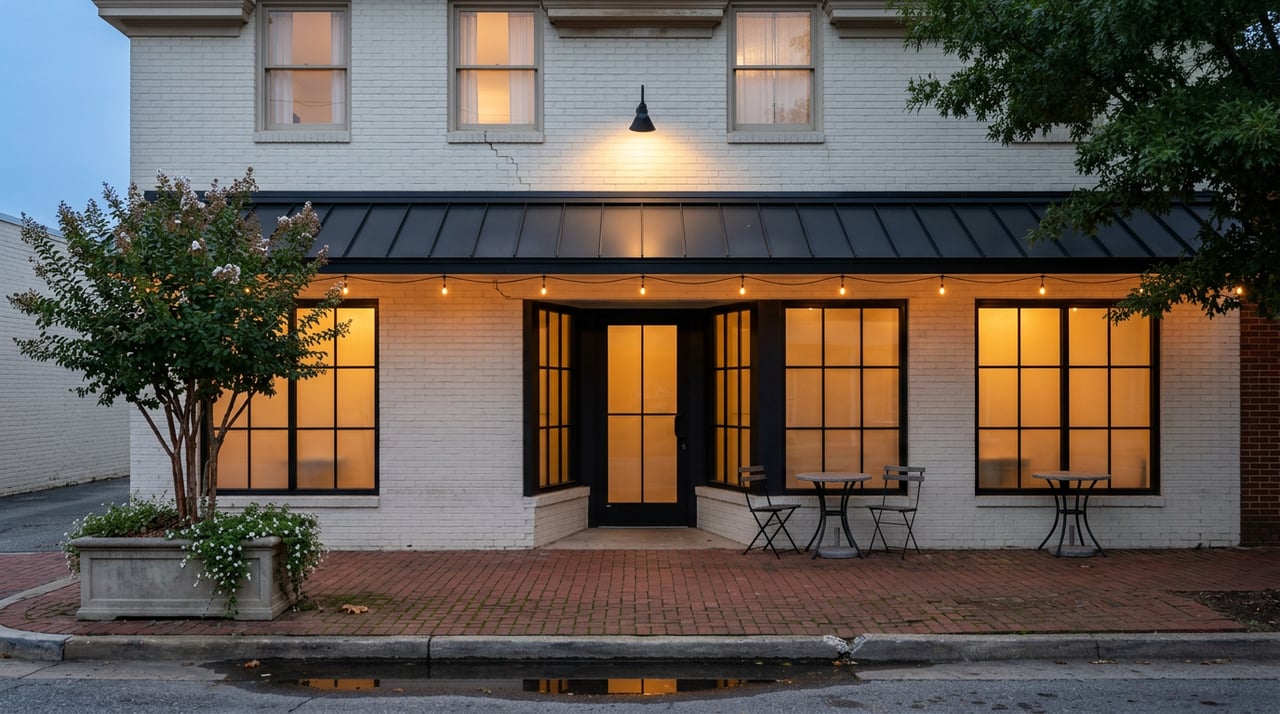

What Sellers Need to Know Before They Celebrate
At Foster Rojahn Premier Properties, we are the leading experts in Lake Norman real estate. We offer deep insights into the local market and are dedicated to helping you achieve your real estate goals.