Looking for rental investments close to Charlotte that blend lifestyle appeal with steady demand drivers? The Lake Norman area gives you both, thanks to strong commuter ties, year-round amenities, and a range of property types that fit different strategies. If you want practical guidance on where to start, what to buy, and how to operate for stable returns, you are in the right place. Below, you will learn the local context, rules to know, and a step-by-step approach to underwriting and managing rentals near the lake. Let’s dive in.
Why Lake Norman attracts renters
Lake Norman towns like Cornelius, Davidson, Huntersville, and Mooresville sit along the I‑77 corridor, making commuting to Charlotte straightforward for many professionals. The area’s lifestyle is a draw for renters who value lake access, parks, and local events. You also find demand tied to employment nodes in healthcare, manufacturing, technology, and logistics.
The tenant base is diverse. You see professionals and couples who want 2 to 4 bedroom homes, households that value outdoor space and community amenities, and niche demand near Davidson College. Seasonal visitors also boost interest in short-term stays near the water, especially from spring through fall.
Pick your rental strategy
Your property choice should match your plan, budget, and risk tolerance. Here are common paths near Lake Norman:
- Long-term single-family rentals. These are prevalent in lake-area suburbs and tend to offer lower turnover than short-term rentals. Families and commuting professionals value extra bedrooms, garages, and yards.
- Townhomes and condos. Lower-maintenance living can be attractive, but homeowners associations may set minimum lease terms or limit short-term rentals. Always verify HOA rules in writing.
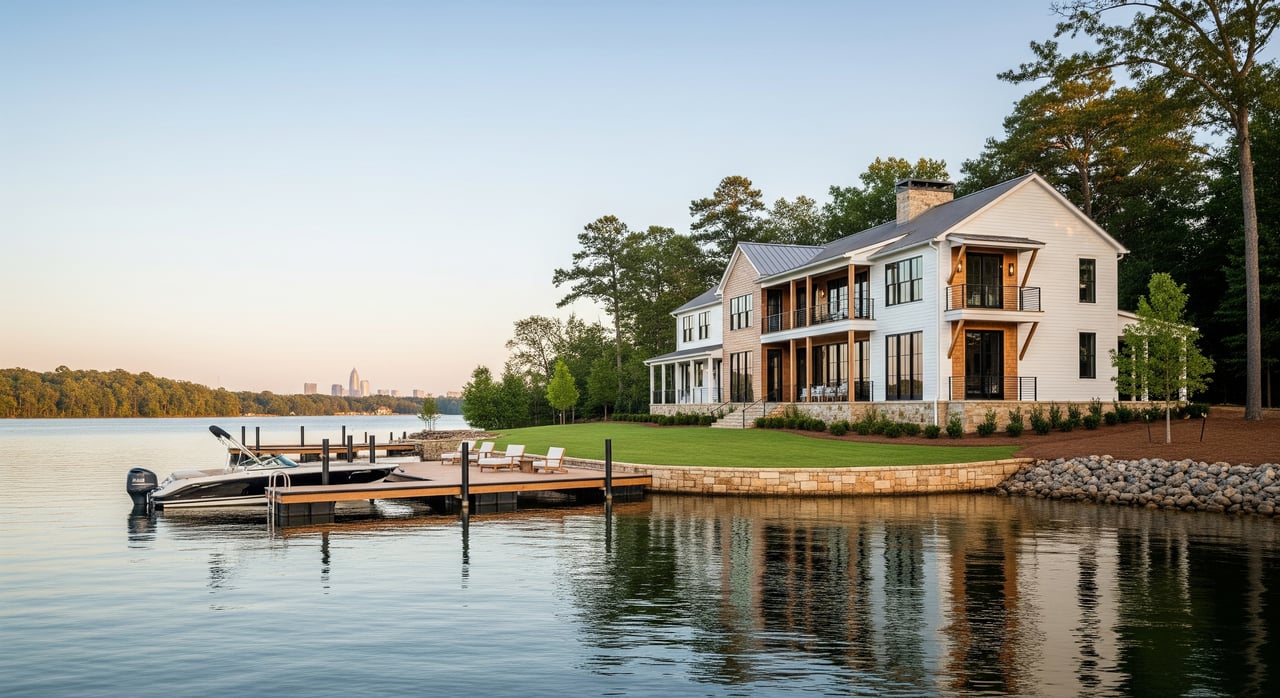
- Waterfront vs non-waterfront. Waterfront homes command premium pricing and rents. They also bring higher insurance, specialized maintenance, and stricter permitting, especially for docks and shoreline work.
- Flexible furnished rentals. In select locations, furnished 3 to 12 month leases can serve corporate relocations and temporary assignments. This can help you capture strong rent while staying inside local rules.
Understand local rules first
Municipalities around the lake set their own codes, and rules can change. Before you commit, verify the latest requirements for your target town:
- Zoning and permitting. Check town websites for Cornelius, Davidson, Huntersville, and Mooresville, and review any business license or inspection requirements.
- Short-term rentals. Registration, occupancy limits, parking rules, and taxes may apply. Some neighborhoods and HOAs restrict or ban short-term rentals.
- County layers. Mecklenburg and Iredell have different processes and tax rates. Confirm which county the property sits in and how that affects permitting and property taxes.
- Landlord–tenant law. North Carolina statutes cover deposits, notice periods, repairs, and evictions. Build realistic time and cost assumptions into your underwriting.
Run the numbers the right way
A clear framework helps you compare options and avoid surprises. Focus on these basics:
- Gross Scheduled Rent. Project market rent and multiply by 12 months.
- Vacancy. For long-term rentals, many investors underwrite 5 to 10 percent vacancy. For short-term rentals, assume higher effective vacancy and seasonality, often 20 to 40 percent.
- Operating costs. Budget for property taxes, insurance, repairs and maintenance, management fees, HOA dues, utilities that you cover, marketing, and reserves.
- Net Operating Income. Effective income minus operating expenses gives you NOI.
- Cap rate and cash-on-cash. Use cap rate for market comparisons and cash-on-cash to reflect your actual return on invested capital. Run sensitivity scenarios for lower rent, higher expenses, and different interest rates.
Occupancy for well-located suburban long-term rentals often ranges from the high 80s to mid 90s percent. Treat that as directional guidance and confirm with local comps and property management quotes.
Financing options to consider
Your loan choice shapes cash flow more than almost any other factor. Common pathways include:
- Conventional investment loans. Expect 20 to 25 percent down for single-family rentals, with rates that reflect investment risk.
- Owner-occupied financing. If you purchase a 2 to 4 unit property and live in one unit, certain programs allow lower down payments. You must meet occupancy requirements.
- Portfolio and DSCR loans. Lenders that underwrite cash flow can be helpful if you are scaling or have non-traditional income. Terms and fees vary.
- Renovation loans. Consider these if you plan to update older homes or add value pre-lease. Get contractor bids early to confirm feasibility.
Plan for insurance and waterfront exposure
Waterfront properties may sit in FEMA-designated flood zones, which can trigger flood insurance requirements from your lender. Boat docks, seawalls, and shoreline features add maintenance and liability. Work with an insurance broker who understands lake properties, and get quotes during due diligence. For all rentals, confirm adequate landlord liability coverage and property protections.
HOA and condo rules to verify
HOAs around Lake Norman often have leasing rules. Common items include minimum lease terms, registration, total caps on rentals within the community, and rules that limit short-term stays. For condos, verify whether the association allows rentals and if any owner-occupancy ratios apply. Ask for the most recent covenants and any pending amendments.
Neighborhood snapshots
- Cornelius. Known for lake access and pockets of walkability. You find strong demand from professionals and households who value proximity to marinas and parks. Confirm short-term rental regulations before pursuing that strategy.
- Davidson. A college town that attracts small households and professionals. Proximity to campus shapes rental types and lease timing.
- Huntersville. A mix of subdivisions and denser nodes near I‑77 exits. Inventory suits a range of budgets and bedroom counts.
- Mooresville. Ties to manufacturing and motorsports create a solid employment base. Many investors find a wider range of price points compared with some lake-adjacent towns.
Remember to confirm county lines and tax rates. Parts of the area fall in Iredell County, and others in Mecklenburg, which can affect carrying costs.
STR vs long-term: weigh the tradeoffs
Short-term rentals can deliver higher gross income near lake amenities and during peak months. They also carry higher operating costs, more intensive management, and greater regulatory risk. Long-term rentals typically offer steadier occupancy and simpler operations but with lower peak revenue. Match your choice to the property location, local rules, and your capacity to manage turnovers.
Consider a hybrid approach where allowed. Some owners use furnished medium-term leasing to serve relocations, internships, or project-based stays. This can reduce seasonality and still command a premium compared to standard annual leases.
Operations that protect performance
Reliable operations sustain returns over time. Focus on these practices:
- Property management. Full-service managers handle leasing, rent collection, maintenance, and legal compliance for a percentage fee. For short-term rentals, expect higher fees for pricing, guest support, and turnovers. Self-management can improve yield if you have the time and know-how.
- Tenant screening. Verify credit, income, references, and background within fair housing guidelines. Clarify house rules, HOA requirements, and responsibilities for yard care, dock use, parking, and utilities.
- Maintenance planning. Set aside reserves for roofs, HVAC, and major systems. If waterfront, budget annually for dock work, shoreline erosion control, and tree care after storms.
- Energy updates. Improvements like HVAC tune-ups and smart thermostats can reduce expenses and help retention.
Risks and how to mitigate
Every market carries risk. Here are common pitfalls and ways to reduce them:
- Market risk. Overpaying in a hot cycle squeezes returns. Use conservative rent and expense assumptions and run stress tests.
- Regulatory risk. Short-term rental rules can tighten. Confirm current ordinances and plan for policy changes.
- Physical risk. Flood exposure and storm events can drive costs up. Order thorough inspections, including docks and shoreline where relevant.
- Operational risk. Underestimating management, maintenance, and turnover erodes cash flow. Get quotes from local managers and contractors early.
- Financing risk. Adjustable loans can strain cash flow if rates climb. Favor long-term fixed rates when possible.
Due diligence checklist
Use this list to organize your next steps:
- Verify municipal zoning and rental or short-term rental rules for the address.
- Confirm HOA covenants and leasing restrictions, including minimum lease terms and any rental caps.
- Pull recent sales comps and active rental comps through a local MLS feed.
- Order a full property inspection. If waterfront, include dock and shoreline reviews.
- Get insurance quotes, including flood insurance if the property is in or near a flood zone.
- Run a conservative pro forma that includes vacancy, management fees, reserves, and realistic maintenance.
- Check property tax details and ask about pending assessments.
- Confirm school district boundaries if you plan to market to households that consider them.
- Review utility setups and responsibilities between owner and tenant.
- Clear title and verify any easements that affect lake access or dock rights.
Your next step
If you want a local partner who understands both the numbers and the neighborhood nuances, connect with a team that works this market every day. As a boutique, owner-led brokerage based in Cornelius, we help you source the right property, confirm rules, run comps, and coordinate inspections so you can invest with confidence. Reach out to Foster Rojahn Premier Properties to discuss your goals and get a tailored plan.
FAQs
What makes Lake Norman attractive for rental investing?
- You get strong commuter access to Charlotte, lifestyle demand tied to the lake, and a mix of property types that fit long-term or short-term strategies.
Are short-term rentals allowed around Lake Norman?
- Rules vary by town and HOA, and they can change, so you should confirm the latest ordinance and community covenants before you buy.
How should I underwrite vacancy and income near the lake?
- Many long-term rentals underwrite 5 to 10 percent vacancy while short-term rentals assume higher effective vacancy due to seasonality.
Do waterfront rentals require different insurance?
- Waterfront homes may sit in flood zones and include dock or shoreline features, so you should obtain specialized quotes that include flood and liability coverage.
What tenant profiles are common in Lake Norman towns?
- Commuting professionals and households seeking 2 to 4 bedroom homes are common, with niche demand near Davidson College and seasonal visitors in short-term stays.
How can a local brokerage help me as an investor?
- A local team can source deals, verify municipal and HOA rules, provide comps, coordinate inspections, and connect you with managers, attorneys, and insurers.