
7 Things That Can Blow Up a Lake Norman Home Sale
Barrie Rojahn September 3, 2026
Barrie Rojahn September 3, 2026
You found the buyer. You negotiated the offer. Time to pop something bubbly, right?
Maybe. Hold the cork a second.
Going under contract feels like the finish line, but it's really the starting gun. Between "we accepted your offer" and "here are your keys" sits a stretch of inspections, appraisals, title searches, and underwriting, and any one of them can bring the whole thing to a halt. Around here that stretch runs 30 to 45 days, which is plenty of time for something to surface.
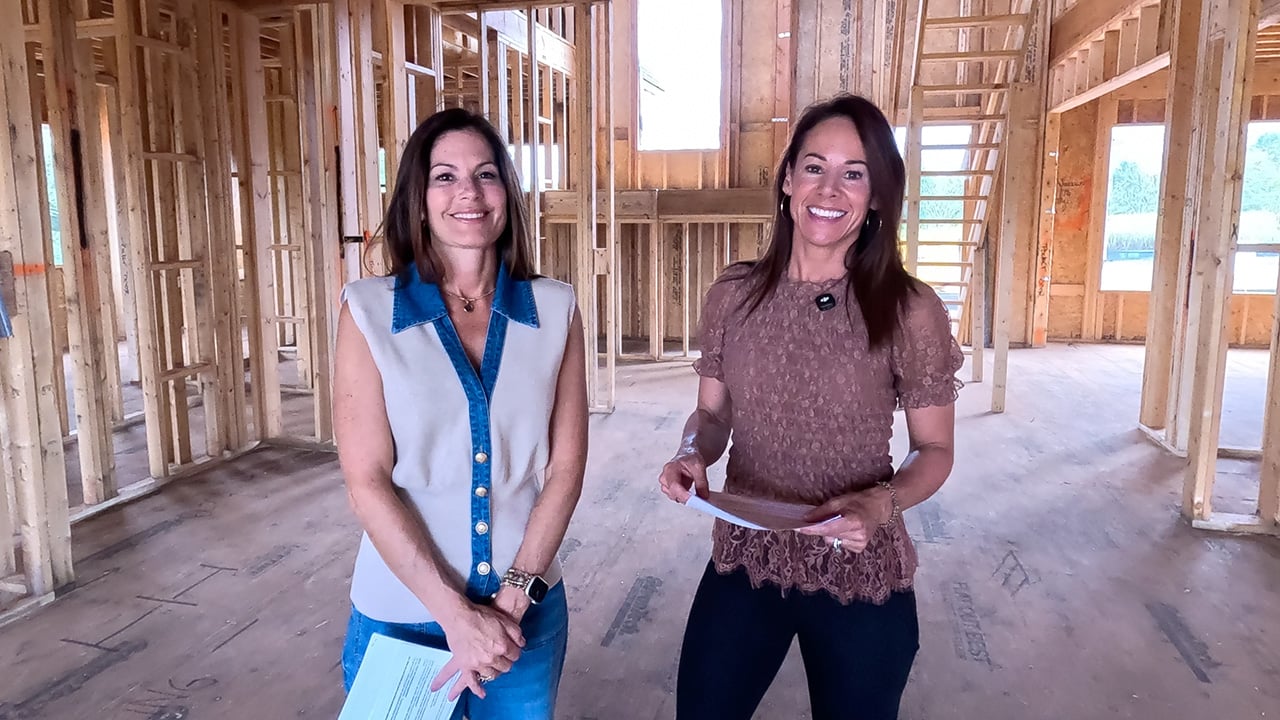
The good news is that almost none of it is a surprise to people who do this every week. Barrie Rojahn and Jennifer Foster of Foster Rojahn Premier Properties have watched the same seven problems knock deals sideways over and over, and the pattern holds whether it's a 1970s ranch in Denver, a lakefront property in Cornelius, or brand-new construction outside Mooresville.
Here's the thing about all seven: they're mostly preventable, and the ones that aren't are usually negotiable. As Barrie puts it, quoting one of her engineering friends, all problems are fixable.
So let's walk through the list. If you're selling, this is your pre-listing checklist. If you're buying, it's what to watch for before you fall all the way in love.
A roof isn't just a roof. It's an insurability question.
Here's how it goes sideways: a buyer goes under contract, calls their insurance carrier, and finds out the 25-year-old roof either isn't going to be covered or is only going to be covered in part. Now you don't have a repair conversation, you have a "can this buyer even insure the house" conversation, and those move fast in the wrong direction.
Roofs are one of the largest replacement costs on any home, which is exactly why they carry so much weight in a negotiation. A roof that's functional and not leaking today is still a roof that somebody is replacing soon, and both sides know it.
How to get ahead of it: if you're selling and your roof has some age on it, get a roofing company out before you list. You want to know the integrity of it in advance, not learn about it from a buyer's inspector. Sometimes the report comes back solid and you've bought yourself peace of mind. Sometimes the roofer tells you it needs to be replaced, and even that is useful, because now you're deciding how to handle it on your timeline instead of reacting mid-contract.
For buyers, the play is reasonableness. If it's functional but aging, there's room to negotiate. If the seller knows they're handing over an old roof, there's liability attached to that, and a fair middle usually exists.
Around Lake Norman, this one comes up constantly, and it's Jennifer's personal nemesis.
Plenty of properties in our area run on septic, and the trouble with a septic system is that it's underground and invisible. You can walk a house three times and learn nothing about it. It's not glamorous, it's not fun to think about, and it can be genuinely expensive.
Jennifer's take is strong enough to be worth repeating: if a buyer could only pay for one inspection, she'd tell them to choose the septic inspection over the general home inspection. Not because the home inspection doesn't matter, but because what you can't see is where the real risk lives. And it's not a problem you can defer. If the toilets don't work, you don't have a house you can live in.
How to get ahead of it: sellers, pull your records. When was it last pumped? How old is the system? Has a company been out for regular maintenance, and can they document it? When Jennifer takes a listing with a septic system, those are among the first questions she asks, because a well-documented system stops being a mystery and starts being a selling point.
Buyers, get it inspected. Every time. It's a small line item against a very large potential one.
Everyone agreed on a price. Everyone was happy. Then the lender's appraiser puts a different number on it.
An appraisal is one person's opinion of value, and it does not always match what a motivated buyer and a motivated seller decided together. When it lands under contract price, the lender will only lend against the appraised number, and suddenly there's a gap to solve.
There are a few ways through. You renegotiate the price. You split the difference. Or the buyer covers the gap out of pocket, which happens more often on our lake than you might expect. When a property has a view that genuinely can't be replicated, some buyers look at the number and decide the house is worth it to them regardless of what the appraisal says. That's a personal call, and it's a legitimate one.
How to get ahead of it: a good agent can usually see this coming. If a house appears overpriced going in, the conversation should happen before the offer, not after the appraisal. Sometimes that means negotiating toward the number you think it will actually appraise at, so the surprise never arrives.
A few days after going under contract, a team of inspectors shows up and goes through the house top to bottom. Then a 70-page report lands in everyone's inbox.
For sellers, Barrie describes it perfectly: it's like someone calling your baby ugly. For buyers, it can be genuinely alarming, because inspectors are paid to find problems, not to write glowing reviews. A long report is a normal report.
The skill is in reading it correctly. What matters is water. High moisture readings in the crawl space or the attic. Structural issues, like beams that are separating. Big-ticket financial items that will become a burden for the next owner. What doesn't matter is the loose outlet cover or the toilet seat that needs a turn of a screwdriver.
Context matters too. On an older home, something may not meet today's code while having been perfectly to code at the time it was built. That's a different conversation than a failing system.
How to get ahead of it: sellers, understand that nine times out of ten you genuinely don't know about the things that show up. That's normal. These are material facts and they have to be addressed one way or another, so the goal is reasonable people on both sides sorting the serious items from the noise.
This is the one nobody sees coming, including on houses nobody has ever lived in.
Jennifer worked a new construction deal where the title looked like it couldn't possibly be an issue. Brand-new home, no prior owners. Except the developer and builder had owned the land, and they had an old survey on file. The title company wouldn't warrant a survey older than six months, and this house (like a lot of larger homes) took longer than six months to build. So days out from closing, the attorney needed a brand-new survey, and the question became who was paying for it.
That's just one flavor of it. Title searches turn up old liens, unreleased mortgages, ownership discrepancies, judgments, and easement or boundary-line questions. Divorces complicate things. So do trusts and estates, especially the ones where a property has passed down through a family and there are now a dozen names attached to the deed.
How to get ahead of it: start the search early. The worst version of a title issue is the one you learn about three days before closing, because some of these take real time to clear. A good agent stays in contact with the closing attorney to make sure that search is moving on schedule rather than sitting in a stack.
If the loan doesn't fund, the loan doesn't fund. This is the least negotiable item on the list.
Two things cause most of it. The first is the buyer who celebrates a little early. You're excited, the house is beautiful, and it needs a couch. And a car. And honestly, that boat would look incredible in the new garage. So you open a credit card, and you change the financial picture your approval was based on. Don't. Not until you've closed.
The second is a shaky approval to begin with. Pre-qualified and pre-approved are not the same thing. A pre-qualification takes about two minutes. A pre-approval takes a day or more, involves an actual look at your liabilities and assets, and means something. Barrie once called the lender listed on a buyer's approval letter and heard that the lender hadn't spoken with that person in months. The deal did eventually close, but only because both agents worked well together, and it was stressful for everyone while that buyer scrambled to find a new lender.
How to get ahead of it: call the lender the moment a property goes under contract, every time. Late financing problems can sometimes be absorbed by delaying the closing date while underwriting catches up. Sometimes they can't.
This is the trickiest one on the list, and for Barrie it's the scariest.
A buyer goes under contract on a house they love. Then that 70-page inspection report arrives, and the home that felt stunning last week suddenly feels like a pile of risk. The location is still perfect. The house is still beautiful. But now they're asking whether they want to take on what the report identified, and cold feet set in.
It happens. It's part of why you'll see homes come back on the market. Sometimes it's financing, sometimes it's an inspection, and sometimes a buyer simply changes their mind.
The best defense is expectation-setting on both sides. Barrie tells her sellers plainly that it's never a sure thing until it's a sure thing, meaning a recorded deed and a property that has actually transferred. That's not pessimism, it's just accurate, and it keeps a seller from mentally spending money that hasn't arrived.
For buyers, the antidote is usually a step back and a reminder of why you wanted this house in the first place. An agent's job in that moment is less about paperwork and more about helping you separate real financial risk from the fog of a long, scary document.
Seven deal killers, and every one of them has a workaround. Get the roof looked at before you list. Inspect the septic, always. Price with the appraisal in mind. Read the inspection report for water and structure, not toilet seats. Start the title search early. Call the lender, and leave the boat in the showroom until you've closed. And when the emotions hit, and they will, lean on somebody who's been through it a hundred times.
If you're staring down one of these right now, or you're thinking about listing and one of them is the thing keeping you up, give us a call. Barrie and Jennifer at Foster Rojahn Premier Properties will walk you through it.






At Foster Rojahn Premier Properties, we are the leading experts in Lake Norman real estate. We offer deep insights into the local market and are dedicated to helping you achieve your real estate goals.