The Septic Clock Denver, NC Buyers Don't Know They're Racing
September 3, 2026
September 3, 2026
The septic inspection comes back clean. The tank holds, the baffles are intact, the drainfield is absorbing water the way it should. Most buyers touring homes on Denver's stretch of Lake Norman treat that report as the finish line. It isn't. A clean inspection tells you the system works today. It says nothing about how fast you could fix it if the report had come back differently, and that second question is the one that actually decides whether your due diligence period holds.
Nobody explains that before you're under contract, and it comes down to something buyers rarely think to ask about: how a county government processes paperwork.
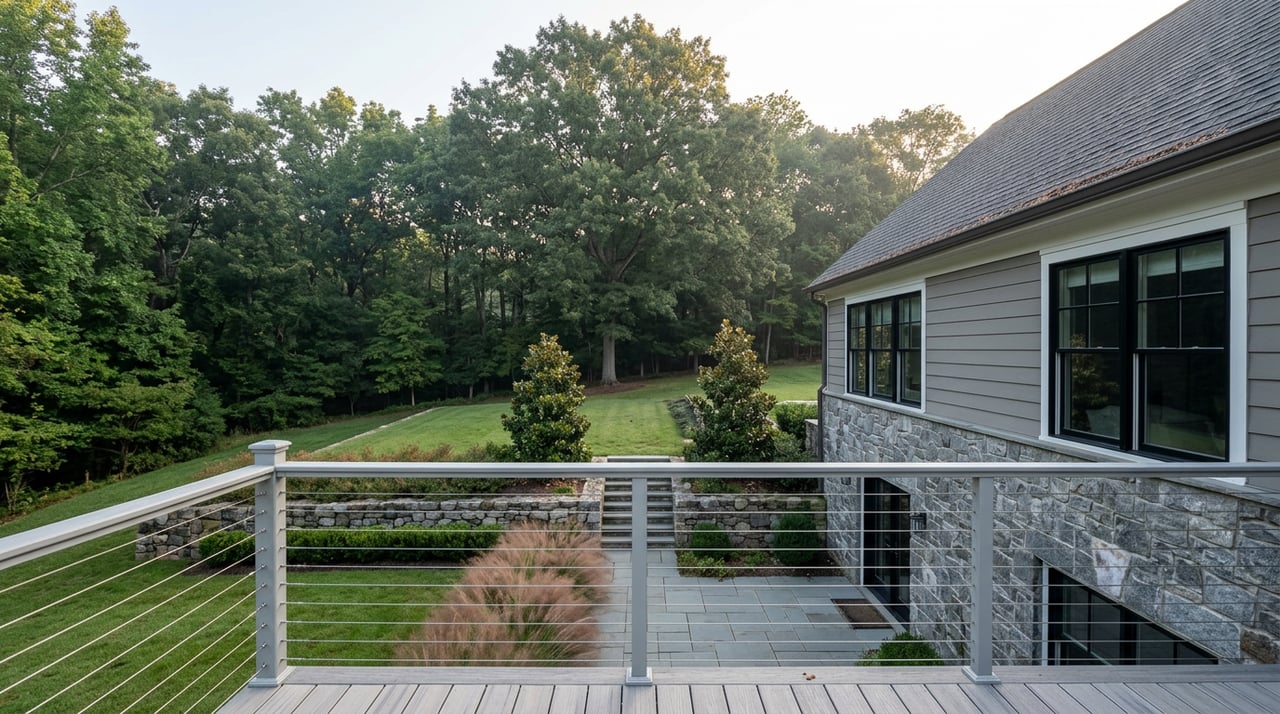
Denver sits in Lincoln County, and homes near the water here commonly run on private well and septic rather than municipal sewer. That isn't limited to older properties set back from the shoreline. It applies to new construction, golf-community estates, and lakefront homes selling well into seven figures. You can see the pattern across Denver's neighborhoods: the closer a lot sits to the water, the more likely the wastewater system underneath it is private, permitted, and site-specific rather than tied into a city line.
For a buyer relocating from anywhere with public utilities, that's a shift in how you think about the house, not just what's under it. A septic system carries its own permitting history, and that history travels with the property through every sale.
Here's the part that catches people off guard. Lincoln County Environmental Health, the office that permits every septic and well system in the county, does not accept applications online. Every Improvement Permit, Authorization to Construct, Repair Permit, and Existing System Approval, the approval most often triggered by a real estate sale, has to be delivered in person to the department's office at 115 West Main Street, second floor, in Lincolnton. The county has said it plans to move to an online system at some point, but as of this writing, every application still requires a physical visit.
Turning in the paperwork is only the first step. After that, an Environmental Health Specialist has to schedule a site visit to evaluate the soil, the layout, and whatever repair area exists before anything gets approved. That scheduling runs on the department's own calendar. It does not move faster because your closing date is three weeks away.
This is the mechanism that actually matters here. A septic finding during due diligence isn't a simple pass or fail. It's a race between how much time is left on your due diligence period and how quickly Lincoln County can get someone out to look at the property in person. Flag a problem on day twelve of a twenty-one day window, and you may not have a permit decision back before that window closes, regardless of how simple the underlying fix would be.
The risk isn't spread evenly across Denver. It concentrates in a specific kind of home: one with finished living space below the elevation of the septic tank. In communities like Sailview, Westport, Verdict Ridge, and Governor's Island, that describes a meaningful share of the housing stock, particularly homes with walkout basements built to take advantage of sloped, lake-facing lots. If you're comparing options across Denver's lakefront communities, this is one more variable worth weighing alongside dock access and HOA structure.
Those basements typically depend on a lift station, a pump that moves wastewater ten to thirty feet uphill into the tank instead of letting gravity handle it. A lift station is a mechanical part with a service life, and its age is rarely documented anywhere in the listing. A standard home inspection confirms the pump runs. It doesn't tell you how close that pump is to the end of its expected life, or what happens to your timeline if it fails a load test mid-transaction.
None of this makes a home in these neighborhoods a bad buy. It means the due diligence questions are different from what a buyer on municipal sewer would ask, and a general home inspector isn't positioned to answer them.
If a system does need repair or replacement, the fix has to fit inside a defined strip of land, and that strip shrinks near the water. Watershed protections tied to Lake Norman typically require at least 100 feet between the shoreline and any drainfield. On the narrow lots that carry the best water views, that buffer competes directly with the house, the driveway, and whatever septic infrastructure already exists. Depending on soil conditions, the county may also require an advanced or nitrogen-reducing treatment system instead of a standard one, which costs more and takes longer to design and permit.
The same inspection finding means something different depending on the lot. On a half-acre interior parcel, there's usually room to shift a drainfield ten feet in any direction. On a narrow lakefront lot, there may not be room to shift it at all.
North Carolina's standard purchase contract doesn't use separate inspection, financing, and appraisal contingencies the way many other states do. Everything, including the septic and well review, happens inside a single negotiated due diligence period, typically 10 to 30 days, during which the buyer can terminate for any reason and get earnest money back. The buyer also pays a due diligence fee directly to the seller, and per the North Carolina Real Estate Commission's own guidance, that fee is non-refundable once the contract is signed, whether or not the deal closes.
That structure is exactly why Lincoln County's permitting timeline matters so much. If your due diligence period runs 21 days and a septic finding surfaces on day five, you have roughly two weeks to get a county site visit scheduled and a permit decision back before you have to decide whether to close, renegotiate, or walk. Schedule the septic and well review on day one, not day fifteen. We've written before about how due diligence fees and earnest money work differently on North Carolina contracts, and that mechanic is worth understanding before you write any offer on a well-and-septic property, not just one on Denver's west shore.
Budget realistically going in. A standalone septic inspection in the Denver area runs around $375 for a flat-rate report. Well work covers a wider range: drilling a new well in North Carolina typically runs $4,000 to $18,000 depending on depth and geology, before pump and pressure tank costs if the existing well needs more than a water test. Neither figure is large against a Lake Norman purchase price, but both are small enough that skipping them to save a few days is a bad trade against what a failed system actually costs to replace.
Is a septic inspection legally required to sell a home in North Carolina? No. State law doesn't mandate one for every transaction. In practice, most lenders require it, particularly on FHA and VA loans, and the inspection has to be performed by an inspector certified through the state's onsite wastewater board, not a general contractor or plumber.
Does the septic permit have to match what's advertised in the listing? Yes. The bedroom count in the listing has to match what the county's septic permit was designed for. If a home was marketed with an extra bedroom the original system wasn't sized for, that mismatch surfaces during due diligence and needs to be resolved before closing.
Can a buyer negotiate price based on what a septic inspection finds? Yes, the same way any other inspection finding supports a repair credit or price adjustment during the due diligence period. The leverage depends on documenting the finding with a written report from a licensed contractor and raising it while there's still time left on the clock.
If you're touring homes on Denver's west shore, the septic and well system deserves the same early attention you'd give the roof or the HVAC, not because it's more likely to fail, but because a finding here moves at a different speed than almost anything else on the inspection list. For a broader look at what to check before you write an offer, our Denver waterfront homebuyer checklist covers the rest of the property.
Foster Rojahn Premier Properties works Lake Norman's west shore regularly enough to know which questions to ask before your due diligence clock starts running, not after. If you're evaluating a property in Denver, Cornelius, Davidson, Huntersville, or Mooresville, request a free home valuation and consultation and we'll walk the timeline with you before you're locked into one.



At Foster Rojahn Premier Properties, we are the leading experts in Lake Norman real estate. We offer deep insights into the local market and are dedicated to helping you achieve your real estate goals.