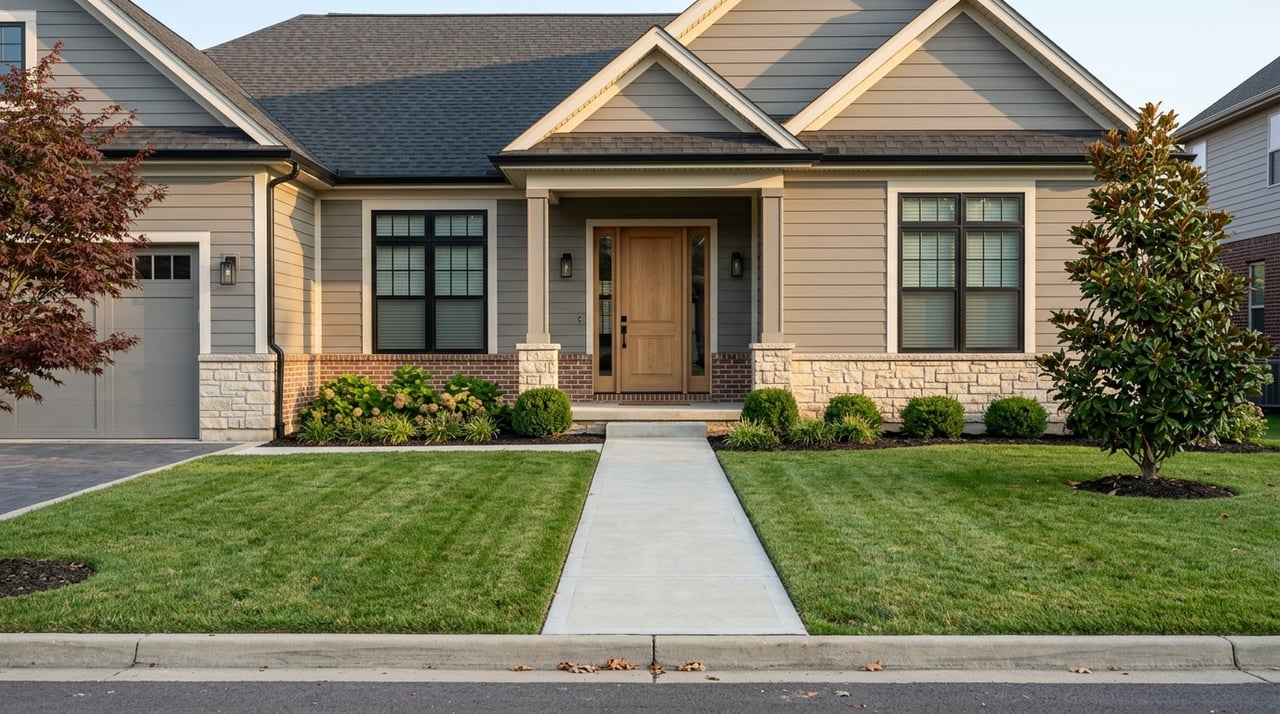
Cornelius Home Selling Timeline From First Call To Close
May 14, 2026
May 14, 2026
Selling your home can feel like one long question mark. How long will prep take, when will offers come in, and what actually happens between accepting an offer and getting to the closing table? If you’re planning to sell in Cornelius, it helps to know that the timeline is not random, even if it can vary from home to home. In this guide, you’ll see what a realistic Cornelius home selling timeline looks like from first call to recorded closing, what can speed things up, and what often causes delays. Let’s dive in.
In Cornelius, the market is somewhat competitive. Redfin reports a March 2026 median sale price of $496,500, average days on market of 40, and a typical sale price about 2% below list. It also notes that hot homes can go pending in about 18 days.
That means your sale could move quickly once your home is priced well and launched properly, but you should still plan for a process that includes prep, marketing, negotiations, due diligence, and closing. A smooth sale often falls into a rough 6 to 12 week window from the first call to the recorded deed, though every home and contract is different.
Your timeline usually starts with a consultation and walk-through of the property. This is where you and your agent review your goals, timing, condition issues, and recent comparable sales in Cornelius.
At this stage, pricing matters just as much as presentation. In a market where the average home takes around 40 days to sell, a smart pricing strategy can help you avoid sitting too long or missing early interest from serious buyers.
For many sellers, this is also the point where the full game plan starts to take shape. That may include repair triage, staging support, photography planning, and a launch strategy designed to fit the current Cornelius market.
This part often takes longer than sellers expect. Before your home goes live, you may need to handle repairs, touch-ups, cleaning, staging, photos, disclosures, and document gathering.
North Carolina requires most sellers of residential properties with one to four units to provide a Residential Property and Owners’ Association Disclosure Statement before an offer is made. If your property is subject to mandatory owners’ association rules or covenants, you should also expect time to gather HOA information.
This is also the right time to review any known issues that could affect a buyer’s decision. Brokers have a duty to discover and disclose material facts, so problems like roof concerns, water intrusion, HVAC issues, or other defects should be addressed early rather than after your listing is active.
If your property has an on-site septic system, permit details matter too. North Carolina guidance notes that permitted bedroom count and other limits can affect how the property is marketed and what buyers expect, so this is worth verifying before launch.
In the Canopy MLS area, timing rules make prep especially important. If your home is publicly marketed, the listing must be submitted to the MLS within one business day of that marketing.
If you choose a firm-exclusive path instead, the listing must be filed within two business days of the listing agreement’s effective date. In plain terms, that means your disclosures, photos, pricing, and marketing plan should be ready before the public rollout begins.
Once your home is ready, the launch should feel intentional, not rushed. This is where strong presentation can make a real difference, especially in Cornelius, where buyers may move fast on homes that are priced and marketed well.
Your first days on the market are often the most important for visibility and momentum. That is why many sellers benefit from having professional photography, a clear pricing strategy, and all key materials lined up before the listing goes live.
Some homes attract immediate attention and go pending quickly. Others need more time for showings, feedback, price positioning, and negotiations, which is why average market time still matters even in a somewhat competitive market.
After launch, your focus shifts to showings and buyer response. In Cornelius, this stage can last a couple of weeks for some listings or stretch closer to the market average depending on condition, price, and competition.
As offers come in, you are not just looking at price. You also need to weigh financing strength, due diligence terms, closing dates, and whether the buyer’s timeline matches yours.
This is where a seller-friendly strategy can help you look beyond the headline number. A clean offer with solid terms may put you in a better position than one that looks stronger at first glance but carries more risk on the back end.
In North Carolina, you do not have a binding contract just because a buyer says yes verbally. A home sale becomes binding only when all parties sign the written offer and that acceptance is communicated.
That moment is called the effective date, and it is a big milestone. The effective date starts the contract clock for due diligence, deposit delivery, and many of the deadlines that matter between contract and closing.
North Carolina’s standard contract includes a due diligence period. It begins on the effective date and runs until 5:00 p.m. on the negotiated end date.
During that period, the buyer may terminate the contract for any reason or no reason by written notice. If the buyer walks away before the due diligence period expires, the due diligence fee is generally lost, while the earnest money is usually returned unless the contract says otherwise or the seller has breached.
The due diligence fee is due by the effective date. If it is routed through a broker, it should be delivered no later than three business days after contract acceptance.
Earnest money is typically deposited within three banking days of receipt. Once the buyer moves past due diligence, that earnest money can be at risk if the buyer later cannot close, which is one reason this phase is so important for sellers.
For many Cornelius sellers, this is the stage where the transaction is either confirmed or tested. During due diligence, the buyer is often scheduling inspections, reviewing HOA materials, working through financing, and digging deeper into the property.
If issues come up, you may receive requests for repairs, credits, or other concessions. Inspection concerns, incomplete property records, and HOA document delays are some of the most common reasons a transaction slows down.
If the buyer is financing the purchase, the lender is also working through underwriting and appraisal. Appraisal issues and lender delays can affect the timeline even when the buyer remains committed.
As closing gets closer, the moving pieces should start narrowing down. Title work, lender approval, final numbers, and attorney coordination all move toward the same goal: a smooth closing and recorded transfer.
For financed purchases, the lender must deliver the Closing Disclosure at least three business days before closing. That timing can affect the final stretch, so a delay in lender documents can push the closing date back.
The closing itself is the final signing process, but in North Carolina the practical end point is the recording of the deed. Once the deed is recorded, the sale is complete.
A faster sale usually starts before your listing goes live. The more you can do up front, the fewer surprises you are likely to face later.
Here are a few factors that can help keep your Cornelius sale moving:
Even a strong listing can hit timing bumps. Most delays happen after the home goes under contract, not before.
Common slowdowns include:
The good news is that many of these issues can be reduced with thoughtful preparation and clear communication from the start.
If you want the big picture, here is the sequence most sellers can expect:
| Stage | What happens |
|---|---|
| First call | Walk-through, goals review, pricing discussion |
| Prep period | Repairs, staging, photos, disclosures, HOA and septic review if needed |
| Listing launch | Home goes live when marketing materials and documents are ready |
| Showings and offers | Buyer tours, feedback, negotiations, and offer review |
| Under contract | Effective date starts due diligence, deposits, inspections, appraisal, and lender work |
| Closing prep | Final lender steps, title work, attorney coordination, and Closing Disclosure timing |
| Recorded closing | Deed records and sale is complete |
If you are trying to time a purchase, relocation, or next chapter, the key is to think in ranges, not exact dates. In Cornelius, some homes move very quickly, but average market time and the North Carolina contract process still mean your timeline needs flexibility.
A well-prepared home with a clear pricing strategy can shorten the front end. Strong contract terms, complete documents, and early issue-spotting can help protect the back end.
If you want a smoother experience, it helps to work with a local team that understands how Cornelius listings move, what buyers are watching for, and where the timeline usually gets off track. For tailored guidance on your timing, pricing, and launch plan, connect with Foster Rojahn Premier Properties.





At Foster Rojahn Premier Properties, we are the leading experts in Lake Norman real estate. We offer deep insights into the local market and are dedicated to helping you achieve your real estate goals.