
Charlotte Housing Market Basics & How It Works
January 22, 2026
January 22, 2026
Why does a condo near Uptown sell in days while a lakefront home can take months? If you are watching listings across Charlotte and Lake Norman, the pace and pricing can feel confusing. You want to make a smart move, time it well, and negotiate with confidence. This guide breaks down how the Charlotte housing market works, what shapes prices and days on market, and how you can plan your next step with clarity. Let’s dive in.
Charlotte is not one single market. You have Uptown and Center City condos, urban infill neighborhoods like South End, NoDa, and Plaza Midwood, and suburban hubs such as South Charlotte and Ballantyne. Farther north, the I-77 corridor connects the Lake Norman suburbs of Cornelius, Huntersville, and Davidson.
Each area draws different buyers and has its own pricing, inventory, and turnover patterns. Lake Norman suburbs appeal to those who want lake access, larger lots, and newer construction. Urban neighborhoods tend to attract buyers who value proximity to employment centers, dining, and transit.
Most resale homes go on the regional MLS, Canopy MLS, through exclusive listing agreements. You will also see off-market or pocket listings and direct builder sales, but those make up a smaller share of activity. New construction plays a big role in many suburban communities, especially along the I-77 corridor, and often sets expectations for size, finishes, and incentives.
Like any market, prices move with supply and demand. Population growth and employment trends feed demand across Charlotte’s submarkets. When inventory tightens, prices usually firm up. When more listings hit at once, buyers gain leverage.
Local employment, corporate relocations, and sector strength in finance, tech, and energy support long-term demand in areas near job centers. That is why you often see steady interest in neighborhoods with easy access to Uptown, South Charlotte offices, or the University City corridor.
Mortgage rate changes directly affect your buying power. When rates climb, more buyers step back or lower budgets, which can slow price growth. When rates ease, purchasing power expands and competition can pick up again. If you are planning to buy or sell, your strategy should account for the current rate environment and how it shapes buyer activity in your price range.
You will see pricing premiums for certain features and locations. Waterfront and lake access on Lake Norman command higher prices, and factors like lot size, orientation, and direct water access all matter. Proximity to specific school options, major employment centers, I-77 or I-485, and the LYNX light rail can also influence demand and prices in many neighborhoods.
Days on market (DOM) counts how long a property takes to go under contract after being listed on the MLS. DOM varies by price tier, condition, and submarket. A very low DOM may signal strong demand or strategic underpricing, while a high DOM can point to overpricing or property-specific issues.
Sometimes sellers cancel and re-list. Depending on MLS rules, that can reset DOM. Many buyers and agents look for patterns that indicate a previously stale listing, so it is important to price well and present well right out of the gate.
In competitive pockets, sellers often receive multiple offers. Decisions usually come down to price and terms, including earnest money, inspection periods, financing strength, and closing timeline. You might see buyers use escalation clauses, shorten contingencies, or bring larger down payments to stand out.
If the list price stretches beyond recent comparable sales, appraisals can be a hurdle for financed buyers. Some buyers cover an appraisal gap, increase earnest money, or offer cash to reduce risk for the seller. Sellers weigh certainty and speed alongside price.
Common contingencies include inspections, loan approval, and sometimes the sale of the buyer’s current home. In hotter segments, buyers may limit contingencies to compete. Closing timelines are negotiated to align with school calendars, tax considerations, moving schedules, and, for new construction, builder delivery dates.
Spring tends to be the busiest season across Charlotte, with the most new listings and the largest buyer pool. Summer remains active as families try to move before the school year. Fall often brings fewer showings but more serious buyers, and winter usually delivers the lowest listing volume, which can support prices for well-positioned homes but may also mean longer DOM in many ranges.
Lake properties see more attention in the warm months. When the weather is good, buyers can evaluate water access and neighborhood activity with greater confidence, which boosts showing traffic for lakefront and near-lake homes.
If you are selling, early spring is often a strong window, especially for homes that appeal to family buyers. Lakefront sellers often do best in late spring or early summer, when recreational appeal is top of mind. If you are buying, late fall and winter can offer less competition, though there may be fewer options on the market.
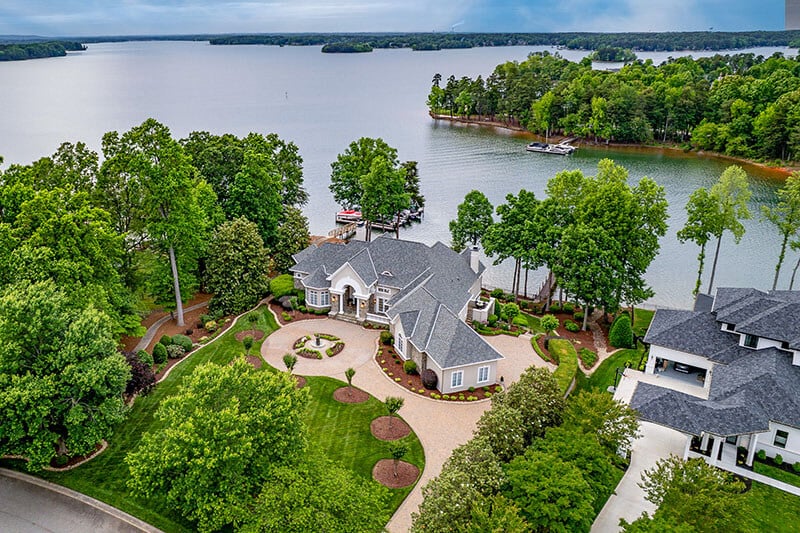
Water frontage, dock access, and true lake access typically command a premium. The size and orientation of the lot, water depth, and views all factor into pricing. Expect more showing activity for lake homes during spring and summer, which can influence both DOM and final sale prices.
Lakefront transactions often include added due diligence. You will want clarity on dock permits, riparian rights, and any shoreline or flood-zone considerations. HOA covenants and local rules can vary by area and subdivision, so plan to review documents early.
Higher-end and lakefront tiers usually have longer DOM than entry-level homes in hot urban neighborhoods. That is normal given the smaller buyer pool and the unique, premium nature of the property. Pricing, presentation, and targeted outreach matter more at these levels.
Use this simple plan to shop with confidence:
Position your listing for a strong result with these steps:
Active building in suburban and master-planned communities adds supply that can cap resale price growth within those subdivisions. At the same time, new builds establish comparison points for size, layout, and finishes. As a buyer, compare total cost, incentives, and delivery timelines. As a seller near a new community, your pricing and marketing must account for the competition and its incentives.
Keep an eye on a few reliable indicators:
Whether you are upsizing in Cornelius, scouting a renovation in Huntersville, or listing a Davidson lakefront estate, you deserve clear guidance and white-glove execution. If you want a tailored plan for pricing, timing, and negotiation that fits your life and goals, connect with the local team that lives and works the Lake Norman story every day. Reach out to Foster Rojahn Premier Properties to Request a Free Home Valuation & Consultation.




At Foster Rojahn Premier Properties, we are the leading experts in Lake Norman real estate. We offer deep insights into the local market and are dedicated to helping you achieve your real estate goals.