Dreaming of life on Lake Norman but not sure what “lake access” or “dock-ready” really means in Huntersville? You are not alone. Buying or selling near the water involves extra steps, permits, and documents that can make a big difference in your lifestyle and property value. In this guide, you will learn the essentials of access types, approvals, and safe dock design so you can move forward with clarity. Let’s dive in.
Lake Norman and who manages access
Lake Norman is the largest man-made freshwater lake in North Carolina, created by Duke Energy at Cowans Ford Dam. Duke Energy manages water levels and shoreline use on Lake Norman, which directly affects dock construction and maintenance. On any given property, several jurisdictions may apply at once, including private ownership rights, HOAs, the Town of Huntersville, Mecklenburg County, state agencies, and federal regulators.
Owning lakefront in Huntersville typically means you have riparian rights, which generally allow reasonable access and use of the water. That does not automatically include ownership of the lakebed or an unconditional right to build a dock. For Lake Norman, shoreline structures often require Duke Energy review and may involve a shoreline agreement or lease, in addition to local and state permits.
Types of lake access in Huntersville
Deeded waterfront
Waterfront parcels that touch the lake often carry riparian rights and the potential for a private dock, subject to approvals. Review the deed and legal description to confirm the boundary and any reservations or exceptions. Ask for any existing shoreline agreements, permits, and surveys that show the mean high-water line.
Deeded shared access
Some neighborhoods offer a community waterfront lot or shared docks. You will want to review HOA covenants, rules for slip assignments or guest use, and maintenance fees. Confirm who pays for upkeep and how access is managed during repairs or low water.
Easements to community or private docks
Non-waterfront lots may include a recorded access easement to a dock or launch area. Look closely at the easement language. Note whether it is exclusive or non-exclusive, how maintenance is handled, and any limits on hours or number of boats.
Public access only
Public ramps and parks on or near Lake Norman provide a great way to enjoy the water without owning a dock. This can enhance your lifestyle but does not create private docking rights at your property. If daily boating is a priority, take this into account when comparing homes.
No formal access
Listings described as “near the lake” may have views or proximity without legal access. Always verify access claims in writing and through recorded documents.
Permits and approvals for docks
Adding, modifying, or replacing a dock on Lake Norman usually involves multiple approvals. The most common are:
- Duke Energy for shoreline rules and lakebed administration on Lake Norman. Applications often involve location, size, materials, and navigation safety.
- Town of Huntersville for zoning, setbacks, building permits, and any electrical work associated with lifts or lighting.
- Mecklenburg County for building inspections and floodplain development permits where applicable.
- North Carolina Department of Environmental Quality for water-related permits and environmental protections.
- U.S. Army Corps of Engineers for structures or activities that trigger federal authorization, often through general or Nationwide Permits for minimal impacts.
Typical review topics include property-line offsets, distance from neighboring docks, overall size and height, lighting, and materials. Regulators also look at shoreline stabilization, vegetation disturbance, erosion control, and safety in no-wake or navigation zones. Early conversations with each authority can reduce delays.
What to expect in the process
- Start with your site details. A current survey that shows the mean high-water line and property lines helps set expectations.
- Ask Duke Energy about allowable footprint, orientation, and any lease or agreement requirements for your shoreline segment.
- Confirm local permits with the Town of Huntersville and Mecklenburg County. Electrical and building inspections are common for lifts and lighting.
- Check state and federal thresholds before you finalize a design. If wetlands or other sensitive areas are present, additional steps may apply.
Common pitfalls to avoid
- Assuming riparian rights guarantee a dock. Rights are subject to approvals, lakebed control, and local rules.
- Overlooking HOA covenants. Private rules can limit lift types, canopies, share of maintenance, or slip assignments.
- Ignoring floodplain considerations. Flood maps and local ordinances can affect design, placement, and insurance.
Dock design and safety basics
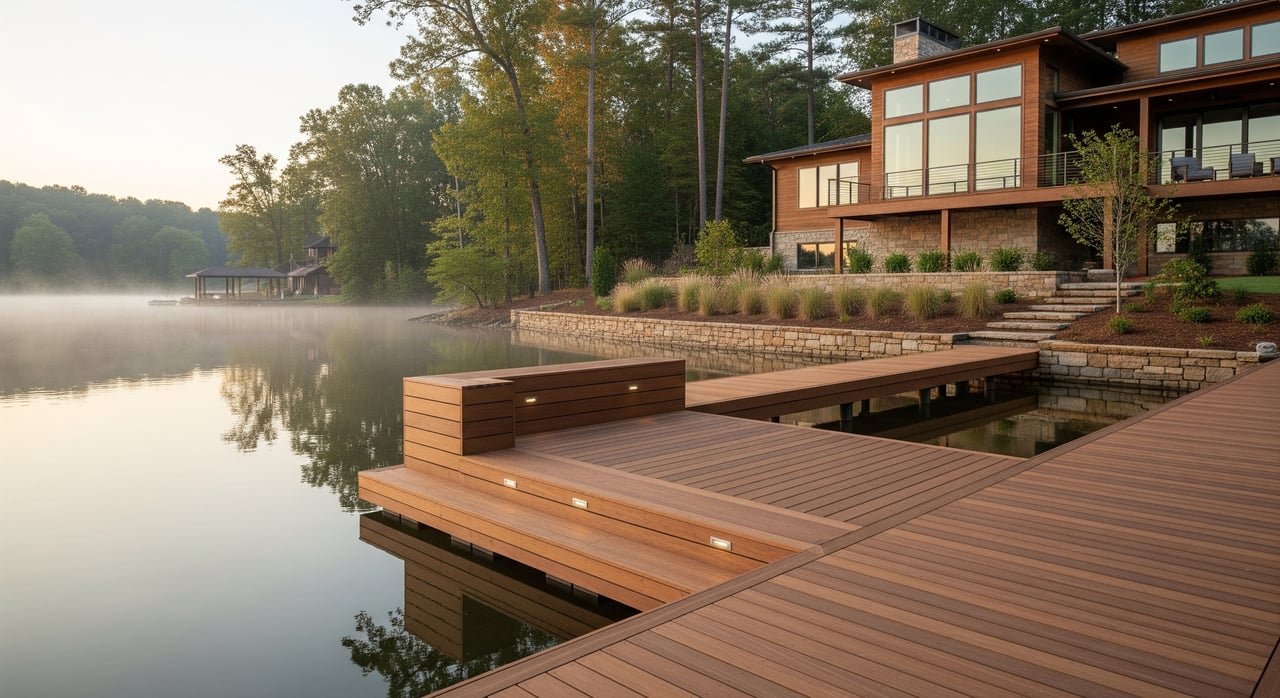
Fixed vs. floating docks
- Fixed pile docks provide a solid feel but require careful planning for water-level changes.
- Floating docks adapt to lake level shifts and are common on reservoirs. Your site conditions and approval limits often guide the choice.
Lifts, canopies, and materials
- Boat lifts and canopies add utility and can reduce hull wear. They may require extra approvals or HOA sign-off.
- Common materials include pressure-treated wood, composite decking, aluminum frames, and fiberglass decking. Material choice affects lifespan, maintenance, and sometimes permitting.
Electrical and lighting
- Shore power and dock lighting increase safety, but they must meet code. Use licensed electricians, and include GFCI protection as required.
Ongoing maintenance
- Inspect seasonally for rot, loose fasteners, corrosion, and wear on flotation. After storms or high-water events, check pilings, anchoring, and all connections.
- Keep a maintenance log and save repair receipts. This helps with future disclosures and insurance.
Safety and environmental care
- Add handrails where needed, choose slip-resistant decking, and keep a life-ring or throwable device on the dock.
- Minimize disturbance to shoreline vegetation and use proper erosion controls. Do not apply herbicides to the water without approvals. Be mindful of wildlife and spawning areas.
Buyer due diligence checklist
Before you write an offer or during due diligence, request and review:
- A current survey showing parcel boundaries and the mean high-water line.
- Deed and title documents that confirm riparian rights and any reservations.
- Any existing dock permits, Duke Energy shoreline agreements or leases, and HOA covenants.
- Records of past repairs, inspections, and maintenance for the dock, lift, or boathouse.
- Confirmation from the Town of Huntersville, Mecklenburg County, Duke Energy, NCDEQ, and the U.S. Army Corps on likely requirements for changes or new construction.
- A professional dock inspection with repair estimates.
- FEMA flood maps and related insurance implications.
- HOA rules for shared docks, guest use, and slip assignments if applicable.
Seller preparation checklist
To make your sale smoother and reduce surprises, gather:
- Dock permits, approvals, and any Duke Energy shoreline agreements or leases.
- Recent surveys, plats, and recorded easements tied to access or maintenance.
- HOA covenants, rules, and fee schedules for shared or community docks.
- Repair receipts, inspection reports, and a list of recent maintenance.
- Notes on whether approvals and leases are transferable to a buyer.
How we help you move with confidence
Waterfront and lake-access homes are a special part of Huntersville living. You deserve a team that knows Lake Norman’s shoreline rules, local permitting, and how HOAs manage shared docks. Foster Rojahn Premier Properties offers boutique, owner-led guidance with hands-on coordination, local contractor connections, and a clear plan for your due diligence.
If you are considering a lake-access purchase or preparing to sell, let’s talk through your goals and the documents you will need. Reach out to schedule your consultation with Foster Rojahn Premier Properties. We will help you move forward with clarity and confidence.
FAQs
Can I build a dock on Lake Norman in Huntersville?
- Possibly, but you will likely need approvals from Duke Energy, the Town of Huntersville, Mecklenburg County, and in some cases state or federal agencies. Confirm first.
Who owns the lakebed under a Huntersville dock on Lake Norman?
- For reservoirs like Lake Norman, a utility or the state may control the lakebed; a title review can clarify ownership while riparian rights guide use.
How do HOA rules interact with dock permits?
- HOA covenants do not replace public law; you must meet HOA requirements and also comply with town, county, state, federal, and Duke Energy rules.
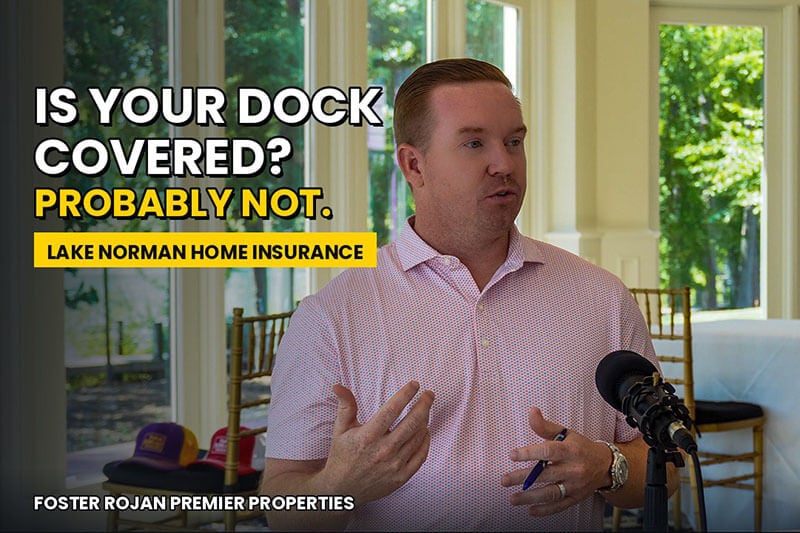
Are docks covered by homeowners insurance in Mecklenburg County?
- Many policies limit coverage for detached structures and liability on docks; ask your insurer about endorsements or a marine policy.
What does “lake access” mean in a Huntersville listing?
- It can mean shared or easement-based access rather than a private dock; verify recorded documents, HOA rules, and any permits.
Are floating or fixed docks better on Lake Norman?
- Both are common; site conditions, water-level variation, approvals, and budget determine the right option for your property.